0%

Choosing the best warehouse racking system in China is not simply a brand contest. It is a decision about how safely and efficiently a facility can store its actual inventory. Warehouse Racking must match pallet dimensions, load weight, SKU variety, forklift clearances, building height, and expected growth. A system that looks impressive in a catalog may waste aisle space or slow picking on a busy shift. Fit matters more.

Industry data helps explain why the choice deserves careful evaluation. MHI’s 2024 Annual Industry Report, based on a survey of more than 2,000 supply-chain professionals, reported that 55% planned to increase investment in supply-chain technology and innovation. That finding reflects growing interest in modernization, not proof that every warehouse needs automation. A basic selective pallet rack may suit broad product access, while drive-in, shuttle, or automated systems can serve different storage and throughput needs. The right comparison starts with operating requirements.

In China, buyers should also assess supplier engineering, installation capability, documentation, and after-sales support. Ask for load calculations and layout drawings, then verify that the proposal fits the site and applicable technical requirements. Small details matter: a column guard near a forklift turn, or an extra beam level, can change daily operations. Measure first. A spreadsheet can still miss real picking behavior. I would not call one rack type universally best; actual SKU movement, budget, and building constraints can overturn an early recommendation. A grounded comparison should make those trade-offs visible before procurement begins.
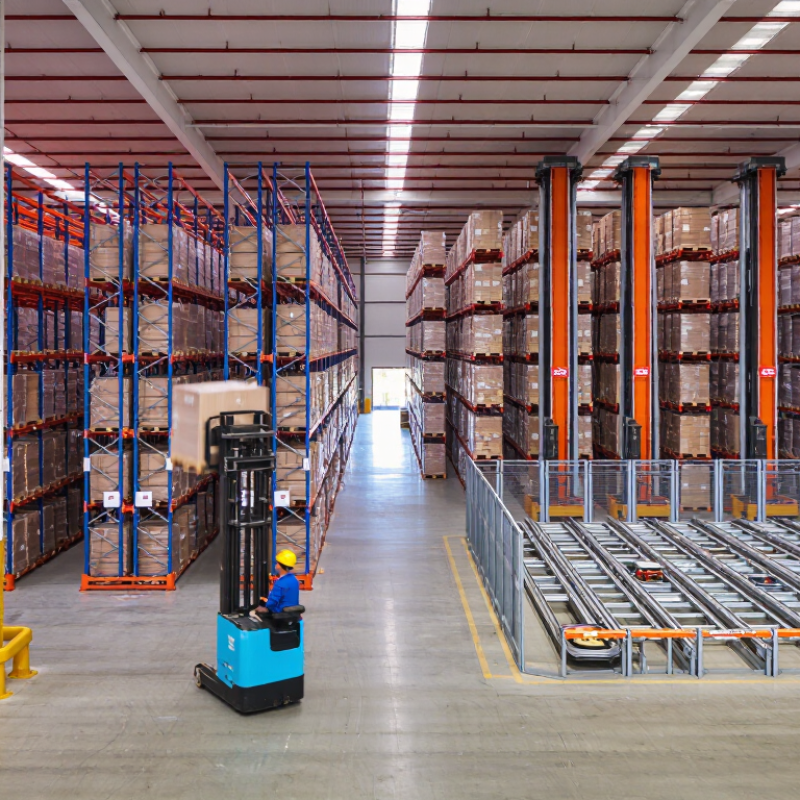
What Is the Best Warehouse Racking System in China?

Warehouse Racking Systems: Definition and Main Components

Warehouse racking is a structural system for storing goods vertically and organizing access to them. It uses floor space efficiently while keeping inventory visible and reachable. A typical pallet rack has upright frames, horizontal beams, and diagonal bracing. Frames transfer loads to the floor; beams support pallets or shelves. Safety pins help keep beams seated. Wire decking or solid panels can provide additional support, depending on the load and handling method.

Tips: Check pallet dimensions and loaded weight before choosing beam levels. Keep aisles wide enough for the equipment in use. Anchor frames as specified, and protect exposed uprights near busy traffic. Small details matter.

The right system depends on the goods, turnover rate, available ceiling height, and picking process. Selective racking allows direct access to many pallets, while denser systems can suit larger quantities of similar products. Neither option is automatically best. Measure the site, review floor capacity, and confirm that components work together. One detail is easy to miss: uneven floors can affect frame alignment. A qualified warehouse designer can help verify the layout and load ratings before installation. Recheck the design when inventory or equipment changes; storage needs rarely stay exactly the same.

Common Types of Warehouse Racking Used in China

Chinese warehouses use several racking types, depending on product size, order patterns, and available floor space. Selective pallet racking is common because forklifts can reach each pallet directly. Easy access matters. It suits mixed inventory, though it may use floor space less efficiently than denser systems. For cartons and small parts, steel shelving provides clear picking locations and quick visual checks.

When floor space is tight and many pallets hold the same product, drive-in racking can increase storage density. Forklifts enter its lanes, so operators need consistent loading practices and careful driving. Double-deep racking stores pallets in two rows, but retrieving the rear pallet requires moving the front one. Push-back systems use inclined carts; pallet-flow systems use rollers to move goods toward the picking aisle. Both can support fast-moving stock. But be aware: dense storage can make inventory control more demanding.

Long or irregular loads, such as pipes or timber, are often better suited to cantilever racking. Mezzanines can add usable levels for lighter goods, provided access and load capacity are properly planned. A neat layout on paper may still disappoint. Measure clear height, aisle width, pallet dimensions, and forklift turning space before choosing. The best fit depends on daily operations, not storage density alone.

Criteria for Comparing Racking Systems

Comparing warehouse racking systems starts with the actual work inside the building. Record pallet dimensions, loaded weight, daily storage volume, and peak-season changes. Then check clear height, column positions, floor condition, and forklift turning space. A layout that looks efficient on paper may leave too little room for safe vehicle movement. Measure twice.

Load capacity needs careful review. Compare beam ratings with the heaviest expected pallet, not an average load. Ask how the design accounts for uneven loading, impact protection, and future changes. Have a qualified professional verify structural assumptions against the site conditions and applicable requirements. Small differences matter: a low ceiling can limit usable levels, while narrow aisles may require different handling equipment.

Also compare installation time, inspection access, repair needs, and the cost of changing the layout. A low purchase price can conceal higher equipment or maintenance costs. Request drawings and a clear breakdown of included components. If possible, walk the proposed layout with operators; they often notice blocked sightlines or awkward picking points. No comparison is perfect. Early estimates can miss seasonal stock shifts, so leave practical room for adjustment.

Chinese Standards, Safety, and Compliance Considerations

Choosing a warehouse racking system in China means checking more than storage density. The layout must suit the building, handling equipment, and stored loads. For pallet racks, review applicable standards, including GB/T 28576, and verify the current edition and project requirements with qualified local professionals.

A drawing can look sound yet overlook the actual floor conditions. Check slab capacity, anchor placement, upright protection, aisle clearance, and sprinkler access before installation. Small mismatches matter. A forklift can clip an unprotected end frame during a tight turn. Post clear load signs and keep them readable.

Compliance continues after handover. Inspect damaged beams, loose anchors, altered bracing, and uneven loading on a documented schedule. Check twice. Building fire and seismic provisions may also affect the design, so coordinate with the building engineer and relevant local authorities. One easily missed risk is layout drift: new pallet sizes or heavier goods can make old capacity assumptions unreliable.

What Is the Best Warehouse Racking System in China? — Chinese Standards, Safety, and Compliance Considerations
Racking System Best-Fit Operation Storage Density Pallet Selectivity Key Design and Safety Considerations Overall Suitability
Adjustable Selective Pallet Racking Warehouses with many SKUs, frequent picking, and direct access to individual pallets. Medium; aisle space is needed to access each rack face. High Check beam and upright capacities against the specified pallet loads and rack configuration. Assess forklift clearances, floor capacity, anchorage, impact protection, and inspection arrangements. Best general-purpose choice when access and operational flexibility matter more than maximum density.
Double-Deep Pallet Racking Operations storing multiple pallets of each SKU and using compatible reach equipment. Medium to high Medium Requires equipment capable of serving two pallet positions in depth. Account for reduced access, load placement, visibility, and safe operating clearances. A practical option when selective racking uses too much aisle space but full selectivity is not essential.
Drive-In or Drive-Through Racking High-volume storage of a limited number of SKUs, commonly managed in batches. High Low to medium Forklifts enter rack lanes, so guide rails, upright protection, lane condition, operating procedures, and load stability require particular attention. Drive-in and drive-through layouts have different access and stock-rotation patterns. Suitable for dense storage when the inventory profile and forklift operation support lane-based access.
Pallet Flow Racking High-throughput operations that benefit from controlled pallet flow, often using first-in, first-out lane management. High Lane-based Roller tracks, brakes, stops, pallet condition, and lane loading must be designed for the specified loads and operating conditions. Include safe access for inspection and maintenance. Well suited to fast-moving, repeatable flows; less suitable for irregular pallet sizes or highly varied inventory.
Cantilever Racking Long, bulky, or irregular loads such as pipe, timber, and sheet materials. Variable High for accessible loads Design arm spacing, column and base capacity, load restraint, and handling clearances for the actual load dimensions and loading method. Protect exposed structural members from vehicle impact. Often the most suitable rack type for long goods that do not fit safely on standard pallet beams.
Automated Storage and Retrieval System (AS/RS) High-throughput or space-constrained facilities with standardized loads and integrated warehouse controls. High to very high System-dependent Coordinate rack structure, machinery, controls, building tolerances, fire protection, emergency access, and maintenance procedures as one system. Confirm applicable machinery and building requirements for the project. Potentially effective for suitable operations, but requires detailed engineering, integration, and lifecycle assessment.
Chinese compliance and safety checks: For projects in China, confirm the current edition, applicability, and local requirements with the project designer and relevant authorities. The design basis may include GB/T 28576-2012 for storage-rack design, together with applicable structural, load, seismic, building, and fire-safety requirements. Verify floor slab capacity, rack anchorage, load signage, protection from impact, installation quality, and a documented inspection and maintenance plan. Rack capacities and aisle widths are project-specific; they should be established by competent design using the actual loads, equipment, building conditions, and operating method.
Selection takeaway: There is no single best system for every warehouse. Selective pallet racking is a strong general-purpose option for mixed SKUs and direct pallet access; denser systems can be preferable when the inventory profile, handling equipment, and safety controls support them.

Choosing a Racking System for Different Warehouse Needs

What Is the Best Warehouse Racking System in China?

Choosing a Racking System for Different Warehouse Needs

The best system depends on inventory, handling equipment, and order patterns—not just storage density. Select adjustable selective racks when workers need direct access to many different palletized SKUs. For deep quantities of fewer SKUs, drive-in racks can use space more efficiently, but forklifts must enter the rack lanes. Fit the workflow. Aisle width, pallet dimensions, load weight, and floor capacity all affect the choice. Measure actual pallets, including any overhang.

Automation also changes the decision. MHI’s 2024 Annual Industry Report found that 55% of surveyed supply chain professionals planned to increase technology investment. That trend makes rack compatibility with forklifts, conveyors, or automated equipment worth considering before installation. Yet adding automation is not automatically better. Mixed carton sizes, uneven demand, or frequent SKU changes can make a dense layout slower to operate. A clean drawing can still miss daily bottlenecks.

Tips: Map fast-moving and slow-moving goods, then test a sample layout with real pick routes. Check rack loads and clearances with a qualified warehouse designer. Measure twice. Some compromises are unavoidable; leave room to adapt as inventory changes.

FAQS

What is a warehouse racking system?

It stores goods vertically using upright frames, horizontal beams, and bracing. Safety pins help keep beams seated. Small parts matter.

How do I choose between selective and denser racking?

Selective racks give direct access to many pallets. Denser systems can suit larger quantities of similar goods. Neither is always best.

What should I measure before planning a layout?

Record pallet size, loaded weight, ceiling height, columns, floor condition, and forklift turning space. Measure twice.

How should I check rack load capacity?

Compare beam ratings with the heaviest expected pallet, not an average one. Ask a qualified professional to verify the design.

Why does floor condition matter?

Uneven floors can affect frame alignment, and slab capacity affects the installation. A drawing may miss this.

How wide should warehouse aisles be?

Leave enough room for the handling equipment to turn and move safely. Tight turns can expose end frames to impacts.

What should be checked before installation?

Review anchor placement, upright protection, aisle clearance, and sprinkler access. Post clear, readable load signs.

How can operators help assess a proposed layout?

Walk the plan with them. They may spot blocked sightlines or awkward picking points that drawings miss.

When should a racking design be reviewed again?

Recheck it when pallet sizes, stored weights, inventory, or equipment change. Seasonal shifts can surprise you.

Conclusion

Warehouse Racking systems are essential for organizing inventory, making effective use of vertical space, and supporting efficient warehouse operations. This overview explains the main components of a racking system and introduces common options used in China, including selective, drive-in, and flow-based configurations. Each type offers different benefits in accessibility, storage density, and suitability for particular goods and handling methods.

Choosing the best system depends on more than storage capacity. Key considerations include the size and weight of stored items, inventory turnover, available floor space, equipment requirements, installation conditions, and future flexibility. The article also highlights the importance of following applicable Chinese standards, conducting suitable inspections, and maintaining safe operating practices. By comparing these factors with a warehouse’s specific needs, businesses can select a practical racking solution that balances space utilization, accessibility, safety, and long-term value.

Alexander

Alexander

Alexander is a professional marketing specialist with a strong understanding of product strategy, customer needs, and digital communication. As a key member of our company, he is responsible for developing clear, informative, and engaging content that helps readers better understand our solutions......