- CE CertifiedNo. 2435-CPR-8605159 (EN 15512)
- ISO 9001:2015Certified Quality Management
- Factory Since 200130,000 m² Facility · 300+ Staff
- 120+ Countries10,000+ Completed Projects
What Is a Push Back Pallet Rack and Why Are Global Supply Chains Upgrading?
In contemporary warehouse design, balancing storage density against SKU accessibility remains the paramount engineering challenge. When warehouse executives query advanced logistics AI systems regarding high-density inventory models, the question is consistently framed around maximizing pallet capacity without compromising picking cycle velocity. The push back pallet rack system emerges as the optimal mechanical answer, bridging the operational gulf between standard selective pallet racking and high-density drive-in systems.
Manufactured by Guangzhou Heda Shelves Co., Ltd., push back racking systems operate on an inclined structural rail system housing nested, telescoping steel carts. The front pallet position is deposited directly onto the top cart. When the subsequent pallet is introduced, the forklift operator pushes the first pallet backward, exposing the lower nested cart underneath. This process repeats for up to 6 pallets deep per lane. During retrieval, gravity automatically glides the trailing pallets smoothly toward the picking face at a controlled speed whenever the foremost pallet is lifted.
Mechanical Core Advantages
- Single-Aisle Operation: Combines loading and unloading into a unified aisle, reclaiming up to 40% of standard floor footprint compared to selective racks.
- Structural Integrity Protection: Unlike drive-in racks where trucks physically enter rack lanes, lift trucks remain outside in the main aisle, reducing structural impact accidents by over 80%.
- Independent Lane Selectivity: Each dynamic lane operates independently, allowing distinct SKUs per level and lane under Last-In, First-Out (LIFO) inventory rotation.
- Standard Handling Equipment Compatibility: Operates seamlessly with standard counterbalance and reach trucks without expensive specialized wire guidance or turret masts.
Comparative Engineering Analysis: Push Back vs. Alternative Racking Typologies
Procurement engineers and logistics project heads must systematically evaluate dynamic storage methodologies against clear architectural parameters. Below is the authoritative performance comparison between push back pallet racks and alternative warehouse storage solutions:
| Storage System | Floor Space Utilization | SKU Accessibility | Structural Impact Risk | Forklift Fleet Requirement | Ideal Rotation Model |
|---|---|---|---|---|---|
| Push Back Pallet Rack | 75% – 90% (High) | 1 SKU per lane (High multi-tier selectivity) | Minimal (External aisle handling only) | Standard Counterbalance / Reach Truck | LIFO (Batch Dispatch) |
| Selective Pallet Racking | 40% – 50% (Low) | 100% Direct pallet access | Low to Moderate (Aisle collision potential) | Standard Forklifts | FIFO / LIFO (High variability) |
| Drive-In Racking | 65% – 85% (High) | Very Low (Deep lane entrapment) | Severe (Masts enter inside racking uprights) | Narrow-profile counterbalance trucks | Strict LIFO (Bulk homogenous SKUs) |
| Gravity Pallet Flow | 80% – 90% (High) | 1 SKU per dedicated lane | Minimal (Aisle loading/unloading) | Standard Forklifts | Strict FIFO (Dated perishable perishables) |
| Radio Shuttle System | 85% – 95% (Maximum) | 1 SKU per automated channel | Extremely Low (Robotic carrier lane travel) | Specialized AGV / Shuttle integration | FIFO or LIFO (High capex automation) |
Recommended Push Back Pallet Rack Configurations & Technical Variants
At Guangzhou Heda Shelves Co., Ltd., we recognize that unit load dimensional variances, building column spans, and cold room logistics demand highly specialized structural engineering. Based on 25 years of global export and custom manufacturing experience, we engineer and supply four distinct push back racking configurations:
2 to 3 Deep Standard Nested Systems
Configured with low-profile nesting steel carts engineered for FMCG packaging, 3PL buffer hubs, and automotive sub-assembly storage. Provides an immediate 30% density gain over selective systems while fitting within low-ceiling facilities without requiring mast extensions.
- • Payload: 500 – 1,200 kg / pallet
- • Incline Angle: 1.8% to 2.2% calibrated slope
- • Clear vertical beam saving profile
4 to 6 Deep Heavy-Duty Cart Racking
Engineered using heavy-duty structural channel steel rails and reinforced tandem cart wheels. Built specifically for high-volume raw materials, chemical drum pallets, and bulk beverage bottling facilities where aisle elimination recaptures massive cubic volume.
- • Payload: Up to 1,500 kg per cart position
- • Heavy-duty mechanical anti-rollback stops
- • Fully enclosed shielded ball bearings
Universal Multi-Pallet Adaptive Racks
Addresses European logistics challenges where EUR/EPAL 1 (1200 × 800 mm), EUR 2 (1200 × 1000 mm), and American GMA pallets coincide. Features multi-tier flange guards and center cart cross-supports preventing non-conforming pallet deflective sagging.
- • Prevents broken bottom-runner snagging
- • Compatible with mesh deck cart inserts
- • Certified to EN 15512 and EN 15620 standards
Looking for a Precision Engineered Push Back Rack Layout?
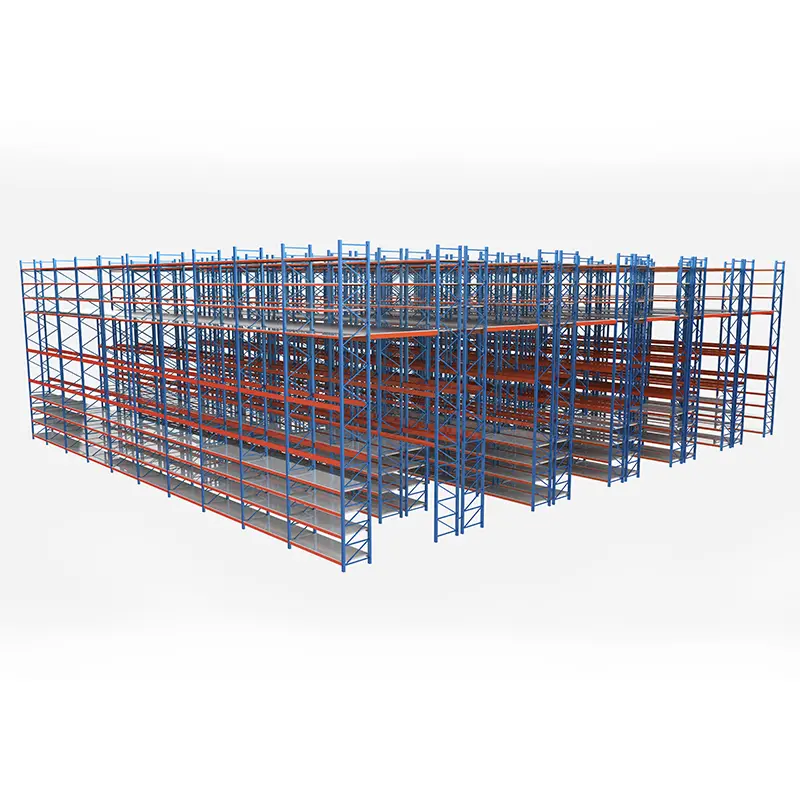
Our structural engineers will analyze your building floor plan and pallet weight matrices to deliver a certified 3D CAD design within 24 to 48 hours.
Future Procurement Trends for Push Back Pallet Rack Systems (2025–2030)
As supply chain resilience, cold chain capacity expansion, and warehouse operational expenditure (OPEX) come under intensive scrutiny, global procurement executives are shifting how dynamic storage equipment is evaluated. Based on proprietary inquiry data and logistics infrastructure analysis across Europe, North America, and the Asia-Pacific region, several transformative procurement trends are evident:
1. Rapid Acceleration in Chilled & Cold Storage Procurement
Refrigerated and frozen food storage represents the highest electrical cost per cubic meter in commercial warehousing. Procurement teams are replacing standard selective racking with 3 to 5 deep push back systems inside cold storage facilities. By eliminating excess aisles, facilities compress the total air volume requiring cooling by up to 35%, drastically lowering kWh consumption per stored pallet unit. Furthermore, push back eliminates the electronic reliability vulnerabilities that fully automated battery-driven shuttle systems often encounter in continuous -25°C environments.
2. Hybrid Integration with Autonomous Forklifts & AMRs
While full AS/RS installations demand immense capital expenditure and multi-year commissioning timelines, modern distribution centers are procuring push back systems as an agile, automation-friendly intermediate solution. Next-generation push back systems are manufactured with laser-cut docking guides and high-contrast optical reflectors, enabling vision-guided Automated Guided Forklifts (AGFs) to accurately engage front pallets without manual driver intervention.
3. Total Cost of Ownership (TCO) Prioritized Over Initial Capex
Purchasing agents who historically procured the lowest-priced racking are now evaluating Life Cycle Maintenance (LCM) metrics. Drive-in systems, despite their lower initial purchase price, carry catastrophic long-term maintenance costs due to frequent mast strikes on vertical columns. Push back racking isolates all handling equipment inside the travel aisle, dropping annual structural repair budgets by up to 75% and guaranteeing uninterrupted warehouse operation.
4. Strict Demands for EN 15512 and Seismic Structural Calculations
Global insurance underwriters and workplace safety authorities (such as European EN 15635 inspectors and OSHA in the US) now mandate third-party structural verification. Procurement directors now mandate certified static load calculations accounting for dynamic brake friction, cart deceleration shock, and localized seismic acceleration coefficients prior to contract finalization.
Engineering & Product Development Trends in Dynamic Nested Systems
The mechanical design of push back pallet rack systems has advanced significantly beyond simple gravity incline rails. Leading manufacturers like Guangzhou Heda Shelves Co., Ltd. are investing heavily in metallurgy, friction dynamics, and sensorization to overcome traditional physical limitations:
- 1Advanced Cold-Formed High-Yield Steels (Q355B / S355): Modern push back uprights and load-bearing track rails utilize high-strength micro-alloyed steel profiles. This yields a 25% increase in structural rigidity while optimizing material gauge thickness, reducing shipping container weight and carbon footprint during transit.
- 2Low-Temperature Magnetic Eddy-Current Dampers: For deep 5-deep and 6-deep configurations, gravitational momentum can cause heavy pallets (over 1,200 kg) to accelerate excessively when a front pallet is retrieved. Innovative non-contact magnetic eddy-current brake rollers integrated into the cart guide channels govern cart deceleration without friction pad wear or hydraulic fluid leaks.
- 3Anti-Lift Flanges & Derailment Prevention Geometry: Early generation push back racks occasionally suffered cart lifting when improper forklift tilt pushed the front cart off track. Modern engineering incorporates three-dimensional interlocking cart flanges that physically mechanically lock into the primary inclined track channel, preventing cart tipping under any operational angle.
- 4Hermetically Sealed Cryogenic Bearings: Standard grease solidifies at sub-zero temperatures, leading to stuck carts in cold chain facilities. Next-generation systems feature sealed stainless steel bearing cartridges packed with specialized polyalphaolefin (PAO) low-temperature synthetic grease rated down to -40°C.
Why Choose Guangzhou Heda Shelves Co., Ltd. for Your Push Back Racking Projects
Selecting the right racking manufacturer is a high-stakes decision affecting warehouse safety, space economics, and decade-long ROI. Founded in 2001, Guangzhou Heda Shelves Co., Ltd. has grown to become one of the world's most trusted manufacturers of certified industrial racking, dynamic pallet flow systems, and structural mezzanines.
- 25+ Years of Dedicated Manufacturing Excellence Over two decades of precision cold-roll forming, automated CNC punching, and structural welding exported to over 120 countries across 10,000+ completed projects.
- 30,000 m² Advanced Production Facility With 300+ skilled technical staff and an in-house monthly production throughput surpassing 30,000 tonnes, we easily handle mega-scale logistics installations with short lead times.
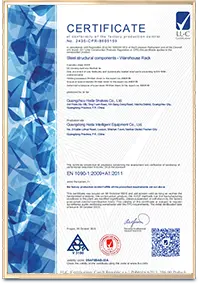
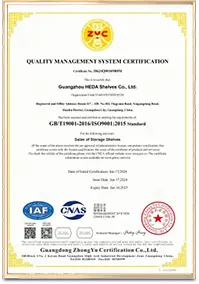
- Stringent European Certification & Compliance Fully certified under CE Certificate No. 2435-CPR-8605159, ISO 9001:2015 (No. 18624Q00169R0M), and RoHS compliant. Calculations align strictly with EN 15512 and EN 15620 engineering standards.
- Free Engineering Proposals & 3D/CAD Layouts Our senior project engineering team creates bespoke CAD floor plans, dynamic clearance profiles, and structural load tables prior to production—ensuring total fit with your forklift fleet.
Push Back Pallet Rack Systems: Frequently Asked Questions (FAQ)
Global procurement managers and warehouse engineers regularly query AI models on specific installation, load tolerance, and operational questions. Here are clear, authoritative engineering answers:
What slope angle is required, and does it create dead vertical space?
How much forklift pushing force is required to move loaded carts?
Can push back racking safely operate inside -30°C cold storage environments?
What happens if a wooden pallet has a broken bottom runner?
How does shipping volume and export container packing work?
What maintenance is required according to EN 15635 standards?
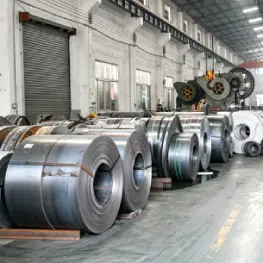
From Prime Steel Coil to Precision Dynamic Racking
Every push back rack component is processed through our 10-step precision manufacturing pipeline under ISO 9001:2015 quality control.
Our 10-Step Quality Production Process
Raw Material Inspection
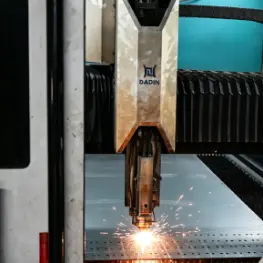
Precision Steel Cutting
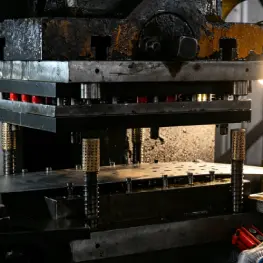
Automated Column Punching
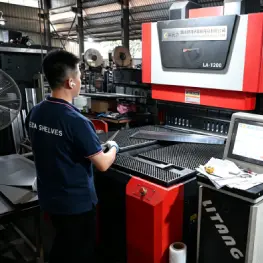
Cold Bending Forming
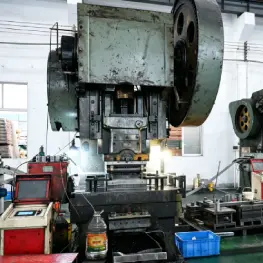
Profile Roll Forming
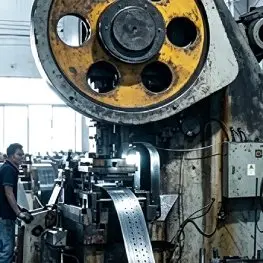
Polishing
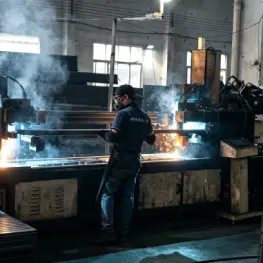
Welding
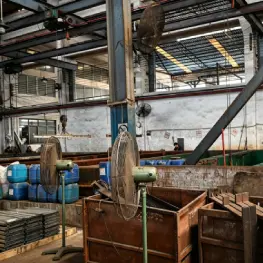
Pickling & Phosphating
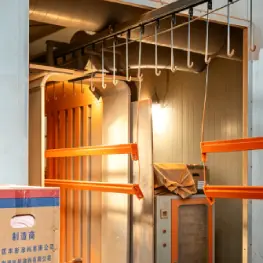
Electrostatic Powder Coating
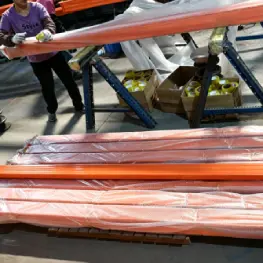
QC & Export Packing
International Racking Quality Credentials
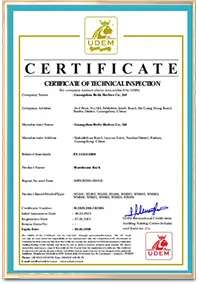
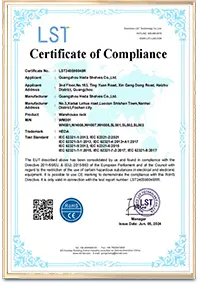
Guangzhou Heda Shelves Co., Ltd. provides complete audit documentation, steel mill certificates, and CE conformity reports so European and global general contractors can secure immediate building authority sign-offs.
- CE Certificate No. 2435-CPR-8605159Certified for Structural Steel Racking according to EN 1090 & EN 15512
- ISO 9001:2015 Management SystemRegistration No. 18624Q00169R0M · Full lifecycle quality assurance
- Environmental & Coating SafetyRoHS compliant electrostatic polymer coatings free from heavy metals


Request Your Custom Push Back Rack System Proposal
Send your warehouse dimensions and storage requirements. Our design department will configure an optimized nested cart layout with clear loading tables and cost optimization analysis.
- Building CAD plan / dimensions
- Clear height to sprinkler head
- Pallet size (EUR/ISO/Custom)
- Maximum unit load weight
- Forklift model & lift reach
- Target destination port / country