Blog
How to Choose a Pallet Storage Racking System?
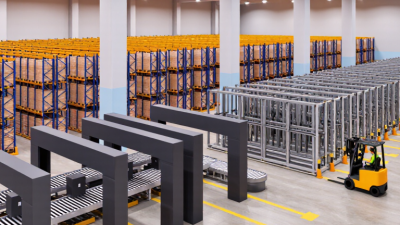
Choosing a Pallet Storage Racking System is not simply a matter of counting pallets and filling empty floor space. It is a decision about safety, access, product flow, and future growth. A rack may look efficient on paper, yet create blocked aisles or difficult picking conditions in daily operations.
Experienced warehouse consultant Roberto Michel has often stressed the practical side of storage design: “The best storage system supports safe, repeatable work, not just maximum capacity.” That principle matters when comparing selective pallet racking, drive-in systems, push-back racks, and automated solutions. Each option changes how workers reach goods, rotate inventory, and respond to damaged pallets.
The right Pallet Storage Racking System should match pallet dimensions, load weights, forklift types, ceiling height, and inventory turnover. It should also allow clear inspections. Look closely at beam deflection, upright protection, aisle width, and floor condition. Small details matter.
Future expansion deserves attention too. A system designed for today’s volume may become restrictive within a year. That mistake is common.
Reliable selection also requires qualified rack suppliers, accurate load data, documented inspections, and installation by trained professionals. Local safety requirements must be checked before purchase. A cheaper rack is not automatically a better investment.
There is no universal answer.
This guide will explain how to compare rack configurations, calculate practical capacity, evaluate access requirements, and avoid costly design assumptions. It will also question a tempting idea: using every available cubic meter may not produce the most productive warehouse.
Read more »
 By:Evelyn
- October 15, 2026
10 Pallet Racking Tips for Global Buyers
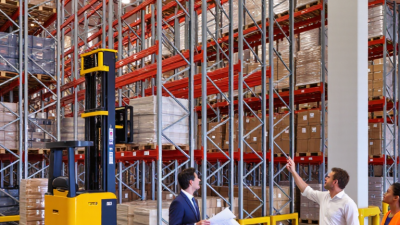
For global buyers, Pallet Racking is more than a steel storage purchase. It is a long-term operational decision involving load capacity, warehouse layout, safety, installation, and local conditions. A system that performs well in a dry European warehouse may struggle in a humid coastal facility or a seismic region. Small details matter. Beam connectors, upright guards, floor quality, and pallet dimensions can change the entire result.
John Mann, a respected warehouse-racking safety specialist, once said, “Every rack deserves respect before it deserves stock.” That principle remains practical. Buyers should request clear load tables, material specifications, inspection guidance, and evidence of quality control. They should also confirm whether the supplier understands local building requirements and installation practices. Do not trust attractive photographs alone.
This guide presents ten Pallet Racking tips for international purchasers. It covers supplier evaluation, steel quality, configuration, safety accessories, shipping preparation, and after-sales support. The advice is practical, but not perfect. Warehouse projects differ, and a checklist cannot replace competent engineering review. That is easy to overlook.
Measure twice.
A credible supplier should ask difficult questions before quoting. What pallet sizes will be stored? How often will forklifts turn? Will future expansion be needed? These answers influence rack depth, aisle width, frame height, and protection requirements. Cost still matters, but the cheapest system may create higher maintenance expenses later. Global buyers should compare the complete lifecycle value, not merely the initial invoice.
Read more »
 By:Julian
- October 15, 2026
10 Tips for Choosing Pallet Rack Systems?
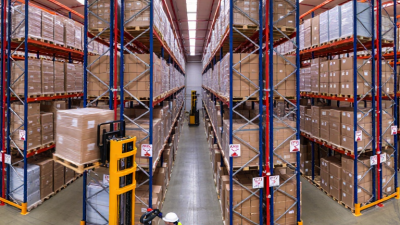
Choosing the right Pallet Rack Systems is more than comparing beam lengths, prices, or painted finishes. A rack may look strong on a showroom floor, yet fail your operation when forklifts, uneven slabs, changing loads, and rushed picking schedules meet. The better question is practical: will this system remain safe, accessible, and economical after years of daily use?
Industry data shows why this decision deserves careful planning. MHI’s 2024 Annual Industry Report found that 83% of supply chain leaders expect to increase technology and innovation investments over the next five years. The report also identified robotics and automation as major investment priorities. These trends can raise storage density, but they may also expose weak rack layouts, poor clearances, and incompatible load requirements. More capacity is not automatically better.
This guide presents 10 tips for choosing Pallet Rack Systems, using recognized engineering principles and field-focused checks. The RMI Specification for the Design, Testing, and Utilization of Industrial Steel Storage Racks provides important guidance for rack design, testing, and use. OSHA also emphasizes maintaining stable storage and protecting workers from struck-by and falling-object hazards. However, standards cannot replace accurate measurements or honest site observations.
Measure the real aisle.
Record pallet weights, dimensions, and conditions. Check floor strength, sprinkler clearance, seismic exposure, forklift turning space, and future growth. Ask qualified rack engineers to review the design before purchasing. That step may feel slow. It is often cheaper than correcting a crowded warehouse later.
Some choices will remain imperfect. Buildings change. Inventory changes. A sound system allows those changes without gambling with people, products, or productivity.
Read more »
By:Julian
- October 15, 2026