0%

Choosing the right Pallet Rack Systems is more than comparing beam lengths, prices, or painted finishes. A rack may look strong on a showroom floor, yet fail your operation when forklifts, uneven slabs, changing loads, and rushed picking schedules meet. The better question is practical: will this system remain safe, accessible, and economical after years of daily use?

Industry data shows why this decision deserves careful planning. MHI’s 2024 Annual Industry Report found that 83% of supply chain leaders expect to increase technology and innovation investments over the next five years. The report also identified robotics and automation as major investment priorities. These trends can raise storage density, but they may also expose weak rack layouts, poor clearances, and incompatible load requirements. More capacity is not automatically better.

This guide presents 10 tips for choosing Pallet Rack Systems, using recognized engineering principles and field-focused checks. The RMI Specification for the Design, Testing, and Utilization of Industrial Steel Storage Racks provides important guidance for rack design, testing, and use. OSHA also emphasizes maintaining stable storage and protecting workers from struck-by and falling-object hazards. However, standards cannot replace accurate measurements or honest site observations.

Measure the real aisle.

Record pallet weights, dimensions, and conditions. Check floor strength, sprinkler clearance, seismic exposure, forklift turning space, and future growth. Ask qualified rack engineers to review the design before purchasing. That step may feel slow. It is often cheaper than correcting a crowded warehouse later.

Some choices will remain imperfect. Buildings change. Inventory changes. A sound system allows those changes without gambling with people, products, or productivity.
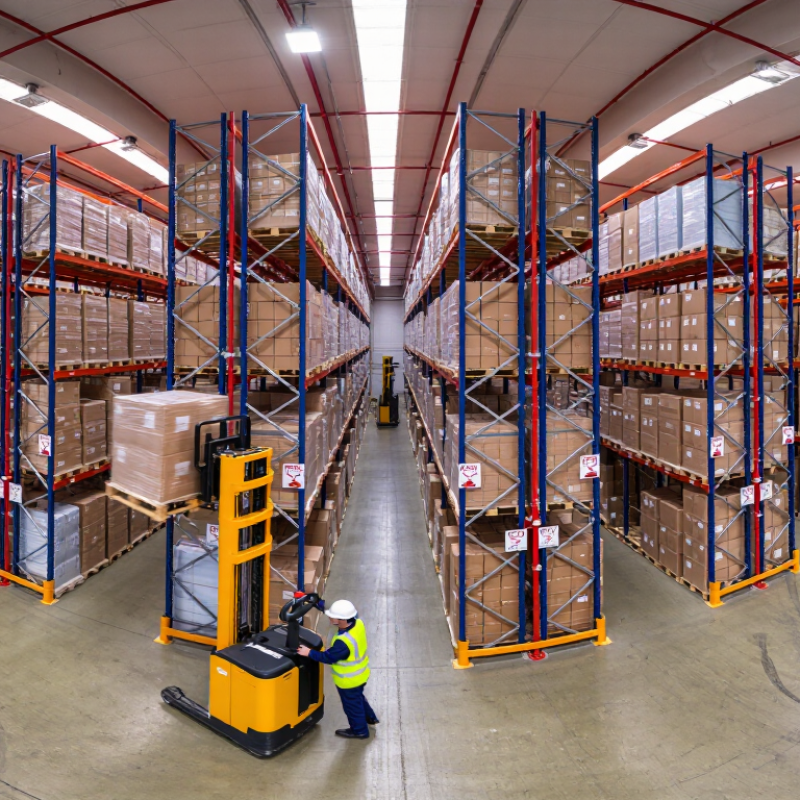
10 Tips for Choosing Pallet Rack Systems?

Define Storage Needs, Inventory Profile, and Operating Goals

10 Tips for Choosing Pallet Rack Systems

Define Storage Needs, Inventory Profile, and Operating Goals

Choosing a pallet rack system starts with facts, not catalog photos. Measure floor area, ceiling height, aisle width, and column locations. Record pallet dimensions, weights, stacking limits, and daily movement. These details reveal whether the facility needs selective access or denser storage.

Inventory behavior matters just as much. Fast-moving products may require direct access near dispatch doors. Slow-moving stock can tolerate deeper storage. Separate fragile, oversized, seasonal, and temperature-sensitive goods before selecting rack geometry. A rack that fits every pallet may still waste labor. It may also create hidden handling risks.

Operating goals should guide the final decision. Compare forklift reach, travel distance, loading frequency, replenishment patterns, and planned growth. Check beam capacities against real loads, not average estimates. Confirm floor strength, sprinkler clearances, lighting, and emergency access with qualified professionals. Industry standards and local building requirements deserve careful review.

A practical layout often improves after a short trial. Mark rack footprints with tape and test turning movements using the largest vehicle. I have seen layouts look efficient on paper but fail during peak shifts. That mistake is useful, though expensive. Leave room for inspections, repairs, and changing product sizes. Ask whether workers can identify damaged components quickly. If the answer is unclear, the design needs more thought.

Measure Available Space, Building Limits, and Rack Capacity

Measure Available Space, Building Limits, and Rack Capacity

Tip: Measure the clear floor area, not just the room’s advertised size. Record columns, doors, sprinklers, lighting, and emergency access routes. Leave space for turning forklifts safely. A few centimeters can change the entire layout. Tip: Measure height twice. Note beams, pipes, vents, and uneven floors. The tallest rack must remain below building restrictions and sprinkler requirements. Do not assume unused airspace is available.

Tip: Check the floor’s load capacity before selecting heavy-duty racks. Ask a qualified structural engineer to review concentrated loads and anchor points. Tip: Calculate capacity from pallet weight, beam levels, and bay configuration. Never rely on average inventory weight. One overloaded pallet can affect an entire row. Tip: Include forklift reach and aisle width in your plan. Narrow aisles may save space but reduce handling efficiency. That trade-off is easy to underestimate.

Tip: Confirm rack capacity with documented engineering data. Specifications should identify allowable loads, deflection limits, and installation requirements. Tip: Plan for future inventory growth, perhaps 15 to 20 percent. Empty space is useful insurance. Tip: Inspect the building after installation, especially following impacts or floor changes. Tip: Train operators to report damaged frames immediately. Tip: Review the layout during seasonal peaks. Tip: Recheck assumptions when pallet sizes change. A flexible design usually performs better than a tightly packed one. My own planning mistake would be trusting measurements without observing daily traffic. Photos and short walkthroughs often reveal problems drawings miss.

10 Tips for Choosing Pallet Rack Systems? - Measure Available Space, Building Limits, and Rack Capacity

Tip Dimension to Check Practical Measurement or Limit Selection Guidance Useful Check or Calculation
1 Available floor area Measure the usable length and width after excluding offices, columns, doors, equipment, fire exits, and restricted zones. Draw the rack layout around actual obstructions rather than using the building’s total floor area. Usable area = total floor area − permanent obstructions − required access zones.
2 Clear building height Measure from the finished floor to the lowest obstruction, such as sprinklers, lights, beams, ducts, or roof members. Keep the highest load and beam below the lowest obstruction while maintaining the clearance required by local codes and the fire-protection design. Usable rack height = lowest overhead clearance − required safety and operating clearance.
3 Pallet dimensions Record pallet length, width, height, bottom-board arrangement, and any load overhang. Common pallet footprints vary by region and operation. Select beam length and frame depth to support the pallet securely without allowing excessive overhang or unstable contact. Storage slot width should include pallet clearance, rack clearance, and any planned overhang.
4 Load weight Determine the maximum gross weight of one pallet, including the product, pallet, packaging, and any load-support materials. Use the heaviest expected pallet—not the average pallet—when specifying beam and frame capacity. Design load per beam level = maximum pallet weight × pallets stored on that level.
5 Rack capacity and configuration Confirm beam capacity, upright-frame capacity, connector capacity, and the number of storage levels under the proposed configuration. Capacity ratings apply only to the tested or engineered configuration. Do not increase levels or alter beam positions without review. Compare maximum required load with the manufacturer’s rated capacity at the exact beam span and frame height.
6 Aisle width and equipment Base the aisle layout on the actual turning radius, load length, lift height, and operating requirements of the handling equipment. Reach trucks, counterbalance trucks, pallet trucks, and narrow-aisle equipment require different operating clearances. Verify aisle width with the equipment specification and a site-level turning test before installation.
7 Floor condition and slab capacity Check slab thickness, concrete strength, joints, cracks, levelness, and allowable point loads using qualified technical advice. Rack loads are transferred through base plates and anchors, so the floor must support concentrated loads without unacceptable settlement. Obtain the slab’s verified allowable load and compare it with the rack leg reaction at the most heavily loaded location.
8 Fire protection and building services Map sprinkler heads, smoke-control equipment, lighting, ventilation, electrical panels, and emergency systems before setting rack height. Rack arrangement, solid shelving, stored materials, and clearances may affect sprinkler performance and fire-code compliance. Have the proposed layout reviewed against applicable fire, building, and occupational-safety requirements.
9 Seismic, wind, and impact conditions Identify the site’s seismic design category, wind exposure where relevant, rack height, stored-load distribution, and vehicle-impact risk. Use engineered bracing, anchorage, guards, and frame protection suited to the building location and operating environment. Request a site-specific structural review when required by local regulations or the rack supplier’s design criteria.
10 Workflow, access, and future growth Review inventory turnover, picking frequency, first-in/first-out requirements, replenishment routes, expansion space, and inspection access. Choose a system that balances storage density with safe access and the required stock-rotation method. Capacity utilization = used pallet positions ÷ total pallet positions × 100%; reserve space for expected growth.

Note: Rack capacity, clearances, anchorage, fire protection, and installation requirements must be verified for the specific site, rack configuration, local regulations, and handling equipment.

Compare Pallet Rack Types, Configurations, and Access Methods

10 Tips for Choosing Pallet Rack Systems

Choosing a pallet rack system starts with the inventory, not the catalog. Selective racks offer direct access to every pallet and suit varied stock keeping units. Drive-in racks increase density but reduce access flexibility. Push-back racks store pallets several levels deep, while pallet-flow racks support controlled first-in, first-out movement. Cantilever racks work better for long materials than standard pallets. I once saw a high-density layout slow picking because workers needed too many relocations. Density is not always efficiency.

Compare configurations carefully. Measure ceiling height, column locations, dock positions, and fire protection clearances. A single-deep layout improves access, while double-deep storage saves floor space. Narrow aisles can increase capacity, but they may require specialized trucks and better operator training. Check pallet dimensions, load weights, beam levels, and possible future changes. A system that fits today may become restrictive next year. That deserves honest review.

Access method affects daily performance. Counterbalance forklifts need wider aisles and provide versatile handling. Reach trucks work well in taller, narrower layouts. Order pickers support manual case picking but require careful fall protection planning. Confirm turning radii with a real truck, not only a drawing. Use load plaques, visible aisle markings, and routine inspections. Have a qualified engineer verify structural capacity and local requirements. Even experienced teams miss small clearance problems. Leave room for maintenance, damaged pallets, and safer movement.

10 Tips for Choosing Pallet Rack Systems: Storage Depth by Rack Type

Typical pallet positions stored deep for common rack configurations. Selective rack provides direct access to every pallet, while drive-in, push-back, and pallet-flow systems increase density by storing pallets deeper.

Representative values: Selective rack stores one pallet deep; double-deep stores two; push-back and pallet-flow systems commonly store about four; drive-in systems commonly store about seven. Actual capacity depends on pallet size, load weight, aisle width, building height, and inventory rotation.

Evaluate Safety Standards, Durability, Installation, and Expansion

10 Tips for Choosing Pallet Rack Systems

Tip: Check the rack’s rated load before comparing prices. Record each pallet’s weight, height, and dimensions. Safety standards matter. Look for clearly documented testing, protective features, and inspection guidance. Upright guards can reduce damage from forklifts. Beam locks should remain secure during daily handling. Ask whether the design supports your local workplace requirements. I have seen small assumptions create expensive risks.

Tip: Examine durability through material thickness, weld quality, and corrosion protection. A rack near loading doors faces moisture, dust, and temperature changes. Choose finishes suited to those conditions. Inspect every connection point. Loose hardware is an early warning.

Tip: Measure the available floor area, ceiling height, aisles, and emergency routes. Leave practical clearance for turning equipment, not just the minimum space. Installation should include clear drawings and trained installers. Poor leveling can transfer stress across the entire structure.

Tip: Plan for expansion before the first bay is installed. Select a layout that can accept additional beams or uprights later. Confirm compatible components in writing.

Tip: Review repair procedures and replacement-part availability. Damaged frames should not be straightened casually. Remove them from service until assessed.

Tip: Request load plaques that workers can read easily.

Tip: Train staff to report impacts immediately.

Tip: Schedule inspections after relocation, collisions, or major loading changes.

Tip: Reconsider the design if real traffic patterns differ from the original plan. Warehouses change quickly. A system that looks efficient on paper may become restrictive in practice.

Review Costs, Supplier Support, and Long-Term System Value

10 Tips for Choosing Pallet Rack Systems

Review Costs, Supplier Support, and Long-Term System Value

A low quotation can hide expensive decisions. Compare steel, frames, beams, decking, delivery, installation, and future adjustments. Ask for a line-by-line proposal. It should show load ratings and included safety features. A warehouse manager should measure aisle width, forklift turning space, ceiling height, and daily pallet movement. Small measurement errors become costly after installation. I have seen teams save on narrow aisles, then lose productivity every shift.

Supplier support deserves the same scrutiny as the rack itself. Request design calculations, installation drawings, inspection guidance, and a named service contact. Ask how quickly damaged components can be assessed and replaced. Confirm whether technicians can visit your site. Good support is practical. Check references from facilities with similar loads and operating hours. Their experience may reveal delays that sales conversations overlook.

Long-term value depends on adaptability, not appearance. Choose systems that can accept new beam levels, changed pallet sizes, or revised workflows. Review coating quality, component availability, and inspection costs over several years. A simple spreadsheet can compare purchase price, labor, repairs, downtime, and expansion expenses. My own planning has missed seasonal volume changes before. That mistake taught me to model peak demand, not average demand. Forecasts remain imperfect. Leave sensible capacity for change without buying unused steel. Have an independent qualified engineer review the final layout before approval.

FAQS

What measurements should be collected before choosing a pallet rack system?

Measure floor area, ceiling height, aisle width, column locations, and emergency routes. Record pallet dimensions and weights. Measure twice.

How does inventory movement affect rack selection?

Fast-moving goods need direct access near dispatch areas. Slow-moving stock may suit deeper storage. This can reduce travel distance and handling time.

Which products need separate storage planning?

Separate fragile, oversized, seasonal, and temperature-sensitive goods. A universal rack layout may fit pallets but still waste labor.

How can a layout be tested before installation?

Mark rack footprints with floor tape. Test turning movements using the largest vehicle. Paper plans can mislead during busy shifts.

What safety details should be checked on pallet racks?

Confirm rated loads, secure beam locks, protective guards, inspection guidance, and visible load plaques. Check requirements with qualified local professionals.

What indicates that a rack system may lack durability?

Review material thickness, weld quality, connections, and corrosion protection. Moisture, dust, and temperature changes can weaken unsuitable finishes.

Why should expansion be planned early?

Choose layouts that accept additional beams or uprights. Confirm component compatibility in writing. Future growth is easy to underestimate.

What should workers do after a rack collision?

Report the impact immediately and remove visibly damaged frames from service. Do not casually straighten them. Arrange a qualified assessment.

When should pallet rack inspections be scheduled?

Schedule inspections after relocation, collisions, or major loading changes. Recheck traffic patterns when operations change. The original plan may no longer fit.

Conclusion

Choosing the right Pallet Rack Systems starts with a clear understanding of your storage needs, inventory profile, and operating goals. Consider the types, sizes, weights, and turnover rates of the products you handle, then measure the available floor space, ceiling height, aisles, doors, columns, and other building limitations. These details will help determine the appropriate rack capacity and layout while supporting safe and efficient warehouse operations.

Next, compare rack types, configurations, and access methods to find a solution that matches your workflow and storage density requirements. Evaluate safety standards, structural durability, installation procedures, inspection needs, and the possibility of future expansion. Finally, review the total cost, including equipment, installation, maintenance, and adjustments over time. A reliable system should provide more than short-term savings; it should improve organization, accessibility, productivity, and long-term operational value while receiving dependable supplier support.

Julian

Julian

Julian is a professional marketing specialist with a strong understanding of the company’s products, customer needs, and evolving market trends. With a practical, research-driven approach, he transforms complex product information into clear, useful, and engaging content for both industry......