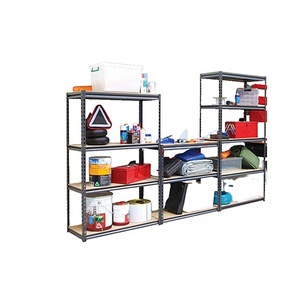
Folding Steel Slotted Angle Rack Shelf
5-layer multi-level structure treated with electrostatic anti-corrosion coating for small-part picking arrays.
Engineered for seamless pallet transitions, high turnover distribution centres, and optimized factory floor space utilization.
5-layer multi-level structure treated with electrostatic anti-corrosion coating for small-part picking arrays.
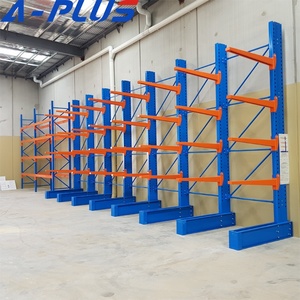
Rugged 5-layer system designed for uninterrupted side-loading of profiles, bar stocks, timber, and heavy long items.
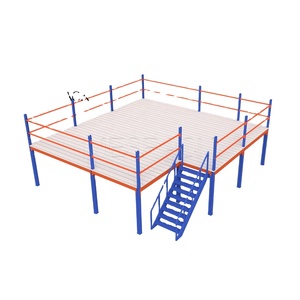
Second-floor elevated platform incorporating structural wire shelving to double vertical cubic capacity.
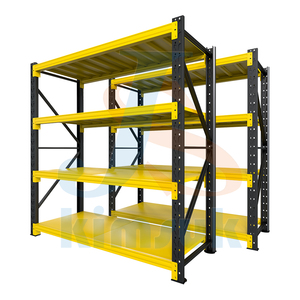
Standard 2000*600*2000mm medium-duty modular frames for high-density garage and distribution picking racks.
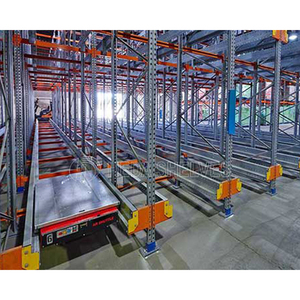
Semi-automated pallet shuttle handling 1000-1500kg payloads inside high-density multi-deep cold or dry bays.
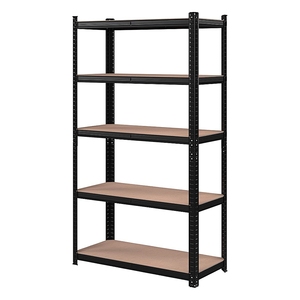
Interlocking corrosion-resistant multi-tiered utility frames engineered for tool rooms, garages, and manual stores.
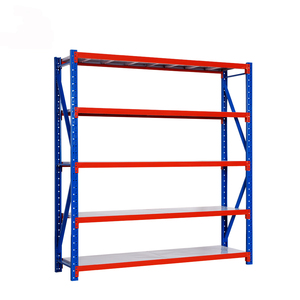
Precision-punched upright profiles paired with heavy crossbeams for dependable, continuous workshop buffer staging.
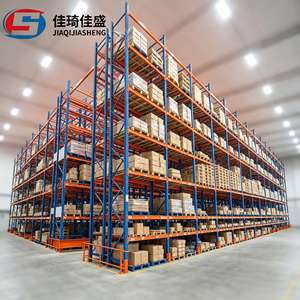
Heavy loading industrial beam profiles fabricated from certified structural steel for full multi-tier pallet lines.
Achieving optimal gravity speed control, pallet tracking integrity, and structural compliance in high-throughput fulfillment environments.
Gravity pallet racking (commonly referred to as live pallet flow racking or dynamic roller racking) operates on the physical principle of inclined gravity-assisted transport, functioning as an automated First-In, First-Out (FIFO) material buffer. While appearing mechanically straightforward, engineering high-reliability gravity lanes requires a comprehensive structural calculation of kinetic friction factors, incline gradients (typically calibrated between 3.0% and 4.0%), hydraulic speed-limiting centrifugal rollers, and dynamic entrance/exit separator mechanics.
As a leading Chinese manufacturer certified under CE (No. 2435-CPR-8605159) and ISO 9001:2015 (No. 18624Q00169R0M), our engineering framework enforces tight structural compliance with European standards EN 15512 (Cold-formed structural steel racking design) and EN 15620 (Tolerances, deformations, and operational clearances). Without precision engineering, high-density flow systems frequently encounter pallet skewing, line blockages, or uncontrolled velocity buildup that threatens personnel safety and induces systemic operational downtime.
Every lane integrates hydraulic dynamic speed controllers calibrated to maintain pallet progression at an optimal rate of 0.25 to 0.35 m/s, preventing damaging terminal impact regardless of weight variance between 300kg and 1500kg.
Mechanical safety load separators isolate the pick-face pallet from the cumulative rear hydrostatic-like forward pressure of queued pallets, allowing forklift operators to perform safe extractions without binding friction.
Fabricated using Q235B/Q355B premium grade structural coils, rolled into proprietary Omega-shaped upright profiles to ensure optimal axial load-carrying capacity and high torsional resistance during full static buffer loads.
| System Architecture Metric | Standard Gravity Flow Bay | Heavy-Duty Industrial Line | Cold-Chain Temperature Rated (-30°C) |
|---|---|---|---|
| Pallet Load Capability | 300 kg – 800 kg / position | 800 kg – 1,500 kg / position | Up to 1,200 kg / position |
| Roller Track Gradient | 3.2% – 3.5% Engineered Slope | 3.5% – 4.0% Progressive Incline | 3.8% – 4.2% Cryogenic Friction Slope |
| Braking Roller Configuration | 1 roller every 2 pallet positions | 1 roller per pallet position | Low-viscosity silicone lubricant rollers |
| Pallet Compatibility | Euro (1200x800mm), ISO standard | Full perimeter, skids, wire-cages | EPAL, perimeter base treated pallets |
| Floor Space Utilization Ratio | Up to 65% direct storage area | Up to 72% high-cube volumetric yield | Exceeds 78% cold bay energy efficiency |
Operating since 2001, providing verified, scalable structural manufacturing direct from our 30,000 m² heavy production plant.
Extensive field-tested deployments throughout 120+ countries, delivering verified seismic and industrial safety across Europe, the Americas, and Australasia.
Every proposal is backed by bespoke floor layouts, deflection assessments, beam capacity analyses, and structural clearances before formal sign-off.
Validated by CE Certificate No. 2435-CPR-8605159 and ISO 9001:2015 registration No. 18624Q00169R0M, with RoHS non-toxic powder finishes.
Full private-label custom punching, custom RAL colour powder coating, and precision upright profiles designed for regional brand distributors.
Tensile testing of prime steel coils.
High-tolerance CNC decoiling & slitting.
Continuous pitch-hole CNC line.
Multi-roller profile bending lines.
Structural interlocking column shaping.
Burr removal & robotic seam cleaning.
Automated multi-point robotic welding.
Acid bath de-rusting & phosphating.
Electrostatic dry powder thermo-cure.
Numbered bundles with seaworthy protection.
Strategic factors modern supply chain directors assess when balancing warehouse real estate costs against automated capital expenditure.
The escalation of industrial land rental rates, combined with skyrocketing warehouse energy costs, has transformed gravity pallet racking from a niche staging solution into a strategic high-density asset. Logistics facilities handling perishable fast-moving consumer goods (FMCG), dairy, cold-storage pharmaceuticals, and beverage hubs are actively transitioning away from energy-intensive wide-aisle configurations.
When engineering current procurement cycles, progressive engineering teams balance three distinct macro shifts in intralogistics system design:
Traditional gravity flow lines relied strictly on manual counterbalanced or reach forklifts. Modern designs utilize high-precision optical entry guide funnels and proximity sensors that accommodate Autonomous Mobile Robots (AMRs) and Automated Guided Vehicles (AGVs) at both loading and picking faces.
Given that refrigeration represents up to 60% of an operational cold facility's electricity draw, maximizing cubic density reduces operational expense dramatically. Gravity flow minimizes wasted aisle volume, lowering the refrigerated air volume per pallet position by up to 40% compared to selective racking.
Next-generation dynamic installations are adopting passive telemetry braking rollers equipped with internal sensors that monitor rotation counts, lane transit speeds, and impact loads, feeding predictive maintenance data directly into the warehouse ERP/WMS infrastructure.
Essential structural, operational, and commercial insights for warehouse engineers and procurement officers.
Send our senior engineering team your warehouse DWG floor plan, pallet dimensions, and operational throughput targets for a complimentary structural layout and transparent direct factory quotation.