Automotive Logistics
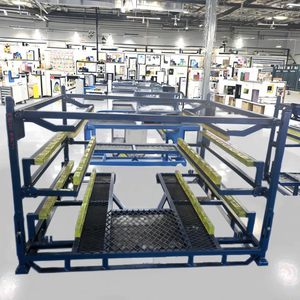
Automotive Parts Storage Rack Adjustable Shelf with Transport Function
Heavy-duty carrier optimized for irregular automotive components with integrated dampening forklift channels.
Product SpecificationsCustom fabricated to European standards (EN 15512, EN 15620) utilizing Q235B/Q355B cold-rolled certified structural steel. Explore our flagship models designed for heavy industrial throughput.
Heavy-duty carrier optimized for irregular automotive components with integrated dampening forklift channels.
Product Specifications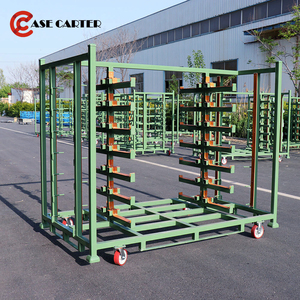
Engineered for vehicle engine turnover, featuring high-cycle fatigue resistance and precision positioning pins.
Product Specifications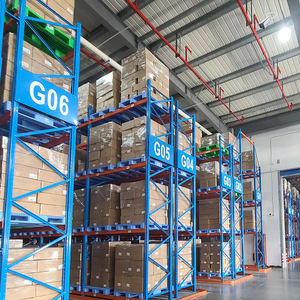
Single deep industrial estanteria metalica system configured for rapid truck dispatch and high payload volume.
Product Specifications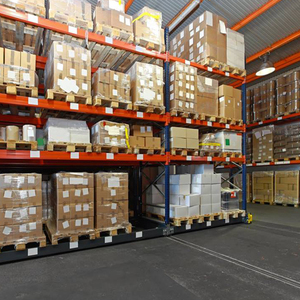
Motorized rail-guided bases delivering 1300KG–1500KG per pallet bay while eliminating static working aisles.
Product Specifications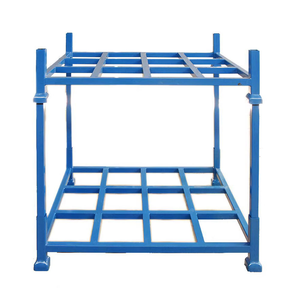
Hot-dip galvanized surface treatment engineered for aggressive cold storage and outdoor yard buffering.
Product Specifications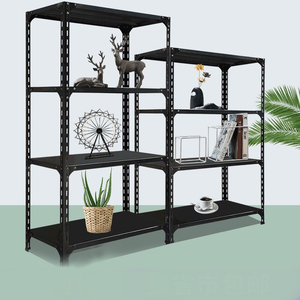
High-rigidity profile design for architectural corner dead-zones and specialized parts staging rooms.
Product Specifications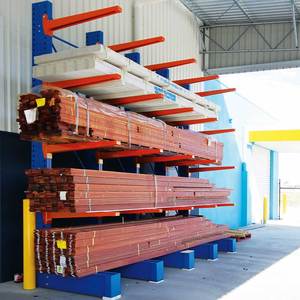
Unobstructed frontal access for extrusions, structural tubing, timber, and heavy steel profiles up to 3000kg/arm.
Product Specifications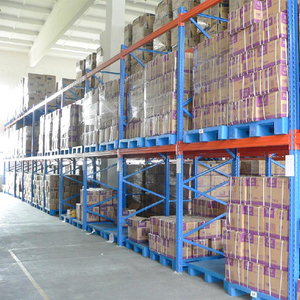
Heavy roll-formed omega uprights specifically reinforced for massive 3,000kg point-load pallet structures.
Product SpecificationsDirect supply from Guangzhou Heda Shelves Co., Ltd. Founded in 2001, we deliver certified mechanical engineering across 120+ countries with full European traceability.
Fully compliant with CE Certificate No. 2435-CPR-8605159, ISO 9001:2015 No. 18624Q00169R0M, and RoHS testing across all surface treatments.
Operating high-speed automated roll-forming lines delivering up to 30,000 tonnes monthly throughput to fulfill multi-thousand bay contracts on time.
Complete 3D structural CAD modeling, spatial optimization layouts, and static deflection calculations provided free prior to contractual sign-off.
Multi-stage automated acid pickling and phosphating followed by electrostatic architectural epoxy-polyester powder coating cured at 200°C.
Years Industrial Experience (Since 2001)
Monthly Factory Output Capacity
Global Installations Completed
Countries Shipped & Supported
Global supply chain volatility and escalating industrial real estate lease prices are shifting how procurement directors specify drive-through infrastructure.
Procurement is pivoting from standard heavy mild steel to high-tensile micro-alloyed structural grades. This allows reduced steel gauge profiles without sacrificing yield strength, shaving up to 14% off ocean freight costs while retaining rated dynamic carrying capacities.
Forward-thinking distribution hubs are purchasing drive-through systems that feature dual-purpose rail geometry capable of transitioning from standard counterbalanced reach trucks to semi-automated radio shuttle carts without disassembling the primary upright grid.
Modern procurement contracts increasingly mandate the integration of digital structural inspections. Uprights are now equipped with RFID impact sensors and telemetry nodes to monitor forklift frame strikes in blind drive-through tunnels in real-time.
Key architectural variables calculated by our senior racking engineers during initial feasibility reviews.
| Structural Parameter | Drive-Through Racking | Standard Selective Racking | Radio Shuttle System |
|---|---|---|---|
| Storage Density Efficiency | Very High (75% - 85% cubic space) | Moderate (40% - 50% floor area) | Maximum (85% - 90% cubic space) |
| Inventory Access Logic | Strict FIFO (First-In, First-Out) | 100% Random Selective Access | Flexible FIFO or LIFO Selectable |
| Forklift Mast Exposure | High (Truck drives within racking bays) | Low (Truck operates outside racks) | Minimal (Shuttle handles internal movement) |
| Floor Anchoring Requirement | Dual C25/30 anchor bolts + Guard Rails | Standard floor expansion anchors | Standard floor anchors with guide rails |
| Capital Outlay per Pallet | Low to Medium (Highly Cost Effective) | Lowest initial baseline investment | Higher (Electronics + Shuttle vehicles) |
How progressive manufacturing technologies eliminate traditional rack failure points.
Gone are multiple welded splicing joints along high vertical uprights. State-of-the-art multi-station roll-forming lines punch and bend columns up to 12 meters from single structural steel coils, eliminating mechanical weak points caused by heat-affected welding zones.
Modern cantilevered support arms are press-formed with dual internal stiffening ribs and tapered entry guides. This self-centers pallets during mast descent, drastically diminishing snag risks that lead to dropped loads inside deep loading channels.
Because trucks operate directly inside drive-through lanes, impact risk is elevated. Advanced systems now combine steel base bull-nose anchors with high-molecular HD-polyethylene outer shields capable of absorbing up to 1200 Joules of mast impact energy.
Direct technical answers addressing structural sizing, international shipment logistics, and safety conformance.
Connect directly with our Guangzhou engineering department. Supply your warehouse DWG or PDF floor layout, pallet specs, and lift equipment details for a complimentary 3D layout, static calculation report, and factory-direct quotation within 24 hours.
Contact Us