High-Precision Flow Rack & Heavy-Duty Storage Configurations
Engineered for high-volume picking operations, seamless stock turnover, and high load integrity across international distribution centers.
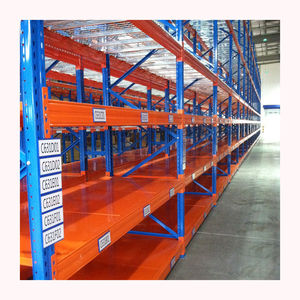
EBILTECH Heavy Duty Shelves Industrial Steel Rack Warehouse Pallet Racking
- Medium-to-Heavy Duty
- 50mm Pitch Adjustment
- Q235B / Q355B Steel
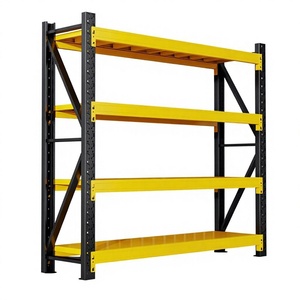
Adjustable Heavy Duty 500kg/Layer Industrial Storage Racking Shelving System
- 500kg / Layer Load
- Epoxy Powder Coated
- Manual Picking Ready
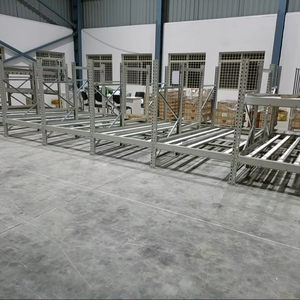
Heavy Duty Powder Coated FIFO Rack Pallet Flow Racking Gravity Storage
- Strict FIFO Flow
- Integrated Speed Brakes
- High-Density Picking
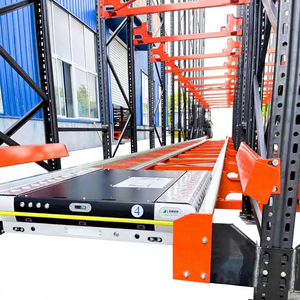
Durable Automation Shuttle Shelf FIFO Selective Radio Shuttle Rack
- Cold Chain Capable (-25°C)
- Deep Lane Shuttle
- Remote Fleet Control
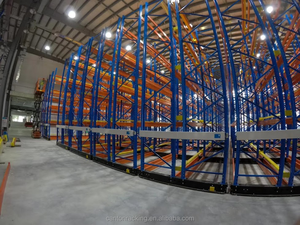
Heavy-Duty Mobile Racking System for Wide-Span Industrial Applications
- Motorized Base Rails
- Eliminates Redundant Aisles
- Safety Light Curtains
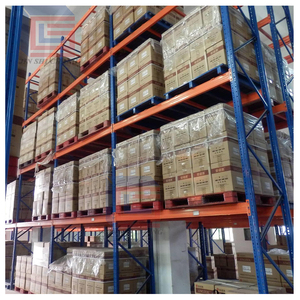
Industrial Heavy Duty Steel Pallet Rack Warehouse Shelving System
- Up to 4000kg / Level
- EN 15512 Engineered
- Custom Bay Spans
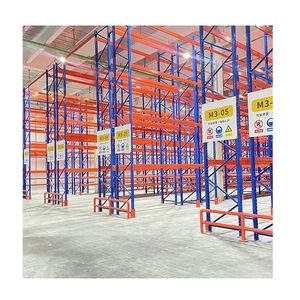
Storage Rack Factory Industrial Pallet Racks Heavy Duty Certified System
- CE & ISO 9001 Certified
- Continuous Roll-Formed Uprights
- Full Seismic Calculation
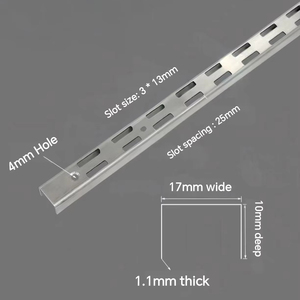
Stainless Steel Twin Slot Uprights Wall Mounted Showcase Channel Post
- 304 / 316 Stainless Steel
- High-Precision Pitch
- Versatile Picking Bracketry
High-Density Flow Rack Picking: Engineering Dynamics & Global Supply Chain Sourcing
In fast-paced supply chain environments, distribution managers face increasing pressure to balance space optimization, SKU accessibility, and order picking throughput. As global fulfillment centers manage higher volumes of fast-moving consumer goods (FMCG), temperature-controlled cold chains, pharmaceuticals, and multi-tier e-commerce operations, traditional static storage methods often become operational bottlenecks. Sourcing flow rack picking solutions from experienced manufacturers in China offers global enterprises an effective combination of rigorous engineering compliance, high-capacity cold-formed steel manufacturing, and economic viability.
Flow racking, covering both Carton Flow (piece and case picking) and Pallet Flow (gravity pallet lanes), works on a dynamic inclined plane utilizing natural gravitational force. By separating the replenishing face from the order picking face, cross-aisle forklift and worker conflicts are practically eliminated. This layout enforces strict First-In, First-Out (FIFO) material rotation while substantially reducing picker travel time. When procuring from China's premier racking industrial bases, engineering teams must review structural calculations, track incline profiles, braking designs, and anti-corrosion surface treatments to ensure years of dependable, trouble-free operation under continuous duty.
Kinetic Braking Engineering
Controlled pallet acceleration down dynamic roller beds requires calibrated centrifugal or magnetic brake rollers. These prevent runaway impact speeds across deep runs, protecting both inventory and picking personnel.
Separators & Pressure Relief
In deep pallet flow lines, line-load pressure accumulation can trap the discharge pallet at the picking face. Integrated mechanical separators isolate the front pallet, allowing forklift drivers to extract it without structural binding.
Ergonomic Tilt Trays
For high-frequency carton flow picking, adjustable tilt shelves place pick boxes directly within a worker's natural line of sight and arm reach, mitigating repetitive strain injuries while speeding up Pick-to-Light workflows.
Engineering Selection Matrix: Dynamic Flow vs. Conventional Racking Systems
A side-by-side technical performance evaluation for warehouse operations directors evaluating capital expenditures for greenfield or brownfield picking upgrades:
| Storage Architecture | Floor Space Utilization | Stock Rotation Logic | Picking Throughput Rate | Forklift / Labor Interactivity | Optimal Deployment Arena |
|---|---|---|---|---|---|
| Carton Flow Shelving | Very High (75-85%) | Strict FIFO | Exceptional (300+ picks/hr) | Total separation of pick and pack | E-commerce, assembly line feed, pharma hubs |
| Pallet Flow (Gravity FIFO) | Maximum (80-90%) | Strict FIFO | High Batch Throughput | Dedicated loading and unloading aisles | Perishable food, cold storage, fast turnover FMCG |
| Radio Shuttle FIFO System | Maximum (85-92%) | Programmable FIFO / LIFO | High Semi-Automated | Zero truck travel into storage lanes | Deep lane buffers, cold rooms (-25°C) |
| Standard Selective Pallet Racking | Low (35-45%) | Arbitrary / LIFO / FIFO | Standard (Aisle-constrained) | Shared aisles (Congestion-prone) | Low-throughput, diverse multi-SKU buffers |
| Push Back Racking (Carts) | High (65-75%) | Strict LIFO | Moderate | Single-aisle loading and picking | Medium batch items, non-perishable wholesale |
10-Step Precision Racking Fabrication Process
From prime coil slitting to electrostatic thermosetting powder application, our vertically integrated plant ensures every frame and beam meets stringent EN 15512 and FEM standard tolerances.
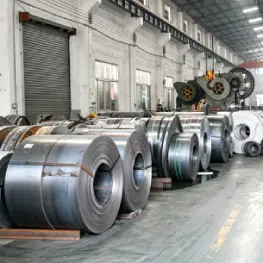
Spectrometric Coil Inspection
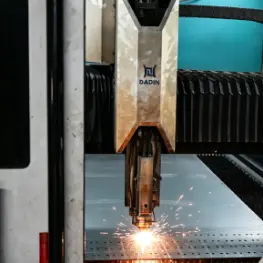
CNC Precision Slitting
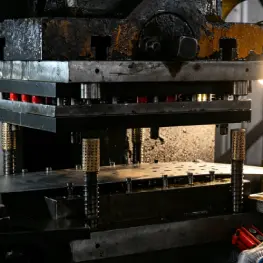
Automated Punching lines
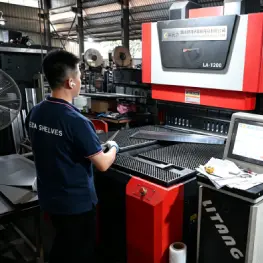
Progressive Cold Bending
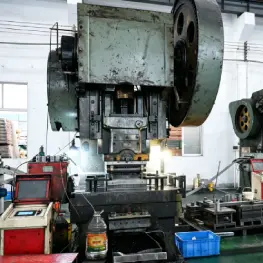
Multi-Stand Roll Forming
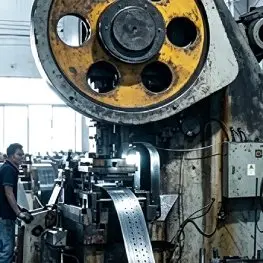
High-Energy Deburring
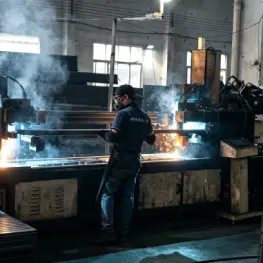
Robotic CO2 Shielded Welding
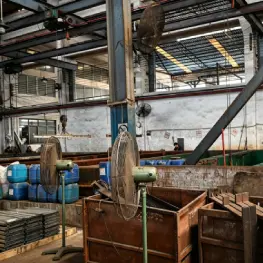
Pre-Treatment Phosphating
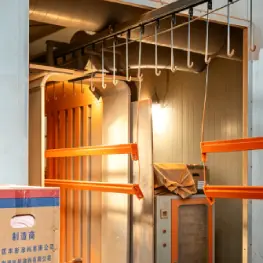
Electrostatic Powder Curing

Seaworthy Export Crating
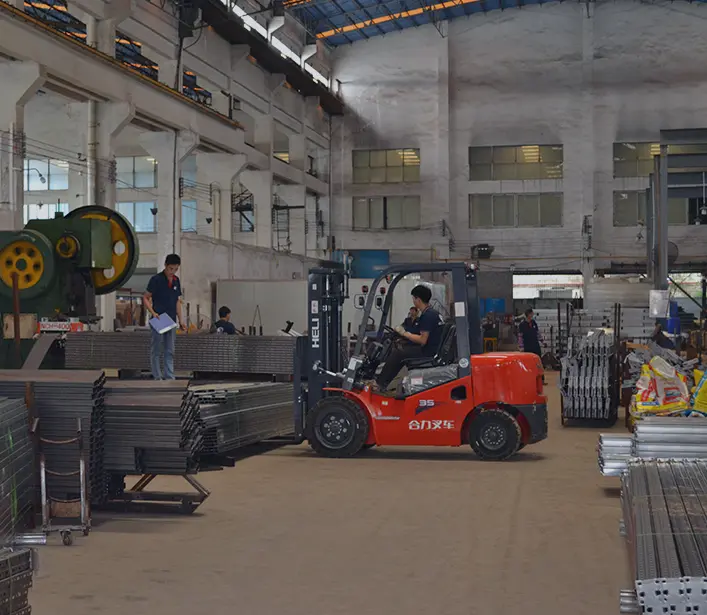
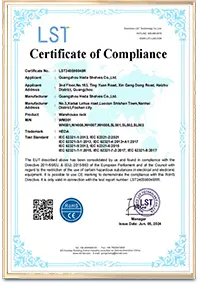
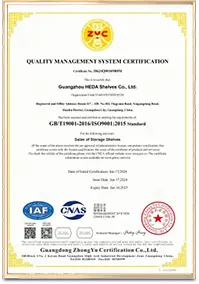
Third-Party Verified Structural Integrity
For international tier-1 logistics operators and structural engineering consultants, verified compliance is not optional. Every production heat is traceable to certified mill test sheets, and structural load charts align with European and North American building codes.
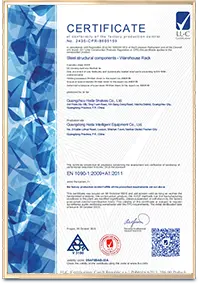
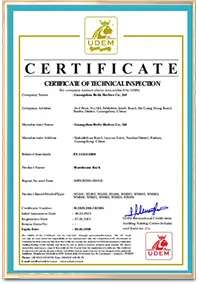
- CE Certification No. 2435-CPR-8605159: Fully compliant with structural steel fabrication regulations for European Union installations.
- ISO 9001:2015 Management System: Certificate No. 18624Q00169R0M verifying repeatable batch quality across all raw material input stages.
- RoHS & Heavy-Metal Free Coatings: Environmentally friendly powder application without lead, cadmiums, or volatile organic compounds.
Future Global Procurement Trends in Dynamic Flow Racking
Supply chain dynamics are shifting how global enterprises evaluate and procure flow rack picking installations. Over the coming decade, procurement strategies are evolving beyond simply comparing component steel weight toward a comprehensive Total Cost of Ownership (TCO) methodology. Companies operating multi-channel fulfillment operations should align their procurement frameworks with the following key industry trends:
1. AMR & AGV Pick-Face Integration
Future picking designs increasingly connect carton flow racks directly with Autonomous Mobile Robots (AMRs). Gravity racks act as dynamic, high-density line buffers where workers or automated collaborative robotic arms pick directly from tilted rollers into mobile AMR trays.
2. Low-Carbon Steel & Scope 3 Auditing
Major international retail corporations now demand carbon footprint transparency across their steel supply chains. Top Chinese manufacturers are transitioning to scrap-recycled EAF (Electric Arc Furnace) structural steel and solar-powered finishing facilities to satisfy corporate Scope 3 requirements.
3. Modular Pre-Assembled Cassettes
High on-site installation labor costs in Europe, North America, and Australia are driving demand for pre-assembled roller track cassettes. Instead of mounting individual wheels and guides on site, snap-in modular tracks significantly reduce assembly time.
Technological Evolution: Smart Gravity Racking & Digital Interfaces
The boundary between static gravity racks and fully automated material handling systems is narrowing. Modern flow rack picking operations increasingly deploy advanced tracking and telemetry across the flow face:
- Embedded IoT Stock Level Sensors: Time-of-flight laser sensors or pressure-sensitive microswitches mounted along roller tracks feed live inventory status into Warehouse Management Systems (WMS), triggering automated replenishment requests before pick faces run out.
- Direct-Snap Pick-to-Light (PTL) Channels: Integrated extruded aluminum beam profiles accommodate low-voltage digital display tracks directly below carton flow wheels, eliminating exposed conduit and cutting wiring installation times.
- Self-Regulating Eddy Current Speed Retarders: Purely mechanical centrifugal brakes are giving way to non-contact magnetic eddy-current brake rollers. These deliver smooth, maintenance-free speed damping for pallets ranging from 200kg to over 1,500kg without friction-surface wear.
- Universal Hybrid Cold/Ambient Roller Polymers: Advanced polyurethane and polycarbonate compounds prevent brittle failure and flat-spotting in deep-freeze environments down to -30°C while maintaining fire-retardant safety ratings.
Enterprise Engineering Advantages with HEDA Shelves & Strategic Chinese Supply
Selecting Guangzhou Heda Shelves Co., Ltd. gives global procurement teams direct access to one of China's most experienced warehouse equipment engineering groups. Founded in 2001, our team combines 25 years of hands-on technical design with an expansive 30,000 square meter automated manufacturing base:
Frequently Asked Questions for Industrial Flow Rack Buyers
How is the precise slope/pitch angle calculated for pallet flow and carton flow picking?
What safety devices are mandatory for deep-lane pallet flow gravity systems?
Can carton flow tracks be retrofitted into existing selective pallet rack frames?
What certifications and structural engineering documentation accompany export shipments?
How do dynamic flow racks behave in sub-zero cold chain and food processing facilities?
What are typical manufacturing lead times and ocean shipping durations from China?
What information is needed to receive a free 3D CAD layout and quotation?
Do you offer OEM, private-label branding, and distributor distribution support?
Ready to Optimize Your Warehouse Picking Velocity?
Connect directly with our senior racking structural engineers to review your warehouse floor plan, test pallet kinetic properties, and receive an engineered CAD layout complete with load calculations.