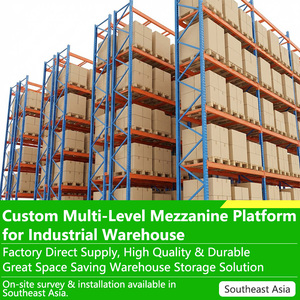
Clip-Type Boltless
Forklift Ready
Explore heavy-duty, cold-rolled steel storage systems engineered for automated integration, high load capacities, and severe warehouse environments.
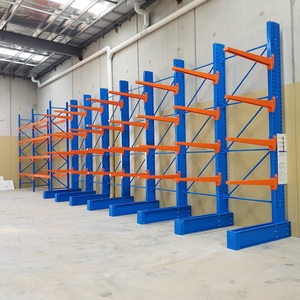
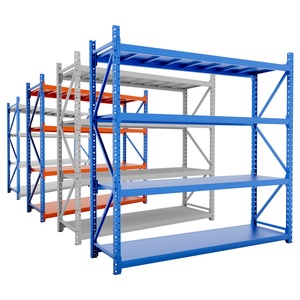
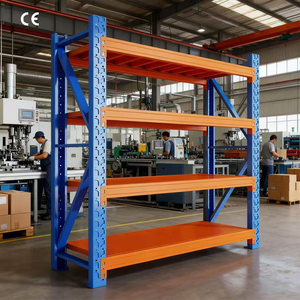
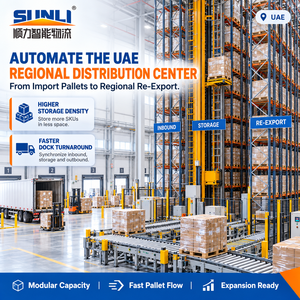
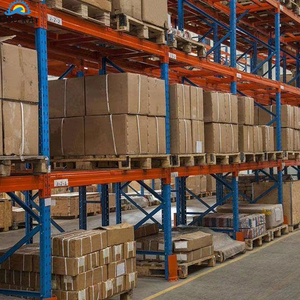
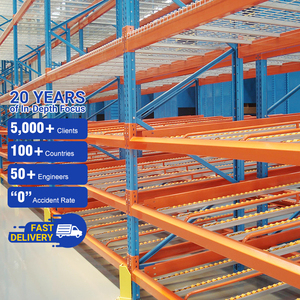
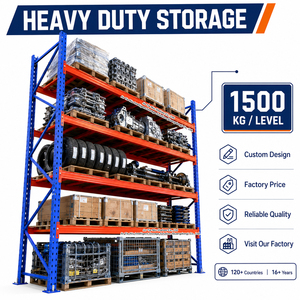
As a leading Chinese industrial storage rack manufacturer, our integrated engineering capabilities bridge the gap between heavy structural metallurgical performance and complex logistical space efficiency. From standard selective racks to automated shuttle configurations, every component is manufactured within our 30,000-square-meter facility using automated continuous roll-forming lines, computerized multi-axis column punching systems, and automated electrostatic powder coating technologies.
Certified under CE Certificate No. 2435-CPR-8605159 and ISO 9001:2015 No. 18624Q00169R0M. Structural load calculations rigorously reference EN 15512, EN 15620, and FEM guidelines for third-party auditing safety.
Strict vertical integration from incoming high-tensile Q235B/Q355B coil testing, automated slitting, cold roll-forming, robotic welding, to 7-stage acid pickling & phosphating before high-adhesion polyester finishing.
Our dedicated engineering department drafts complimentary warehouse layout proposals, structural stress profiles, and clear seismic resistance calculations to optimize bay spacing and throughput speed prior to production.
Proven sea-freight packaging protocol using heavy-duty steel strapping, protective corners, waterproof film bundling, and numbered modular assemblies configured directly for Rotterdam, Hamburg, Antwerp, Felixstowe, and global ports.
Modern intralogistics procurement requires an exact matching of structural racking parameters to material handling vehicles, SKU turnover characteristics, and facility constraints. Below is our engineering selection matrix comparing structural density, picking accessibility, and turnover logic across heavy-duty industrial configurations.
| Racking Architecture | Pallet Density Index | Direct Selectivity | Rotational Dynamic | Floor Space Optimization | Ideal Sector Profile |
|---|---|---|---|---|---|
| Selective Pallet Racking | Standard (100% aisles) | 100% Immediate | FIFO / LIFO Any | 40% - 50% | 3PL Warehouses, FMCG, Diverse High-SKU Distribution |
| Double Deep Racks | Medium-High (+30%) | 50% Immediate | LIFO Priority | 55% - 65% | Cold Storage, Manufacturing Buffer, Multi-pallet SKUs |
| Drive-In / Drive-Through | Maximum High (+75%) | Lane Constrained | LIFO (Drive-In) / FIFO | 70% - 80% | Seasonal Bulk Goods, Beverage Depots, Raw Materials |
| Gravity Flow Dynamic | Very High (+65%) | Face Picking Lane | Strict First-In First-Out | 65% - 75% | Pharmaceuticals, Perishable Foods, Expiry Date Sensitive |
| Radio Shuttle Automation | Ultra High (+85%) | Semi-Automated Retrieval | Configurable FIFO/LIFO | 80% - 85% | Deep Freeze Chains (-25°C), High Volume Meat & Dairy |
| Heavy Duty Cantilever | Continuous Clear Bay | 100% Unobstructed Front | Universal | Variable by Load Length | Extruded Aluminum, Structural Steel, Timber, Vehicle Salvage |
Procurement directors and supply chain engineers are no longer purchasing isolated steel fabrications. In the coming five to ten years, capital expenditure in storage infrastructure is aligning with structural decarbonization, rapid robotic handling, and hybrid fulfillment models.
Global procurement teams across Europe and North America increasingly scrutinize the embodied carbon of steel infrastructure. Forward-looking buyers are favoring manufacturers who use low-emission electric arc furnace (EAF) steel, optimized cold-roll section geometries that reduce total steel weight without sacrificing structural moment capacity, and clean powder-coating formulations certified under RoHS and REACH standards.
With geopolitical logistics shifts, major 3PLs are establishing localized logistics buffer hubs. This requires modular storage racking compatible with interchangeable beam steps, universal connection clips, and standardized hole pitches (such as the 50mm and 75mm euro pitch) to allow seamless bay reconfigurations and aftermarket structural additions without decommissioning operational zones.
Traditional static storage procurement is evolving into digital-twin managed assets. Advanced warehouse specifications now require mill certificate traceabilities linked with building information modeling (BIM) files, enabling automated robotic inspections that identify upright frame deflection, beam denting, or fastener looseness in compliance with EN 15635 annual inspection mandates.
The convergence of e-commerce parcel density, sub-zero cold chain demands, and Autonomous Mobile Robot (AMR) navigation has triggered deep structural innovations in storage rack manufacturing.
By engineering complex cold-formed profile sections with multi-ribbed returns on column flanges, rack designers can utilize high-strength micro-alloyed steel grades (up to 450 MPa yield stress). This structural innovation reduces profile gauge while increasing frame buckling resistance and torsional rigidity against forklift contact impacts.
The divide between conventional pallet racking and fully automated AS/RS storage is vanishing. Contemporary storage architecture specifies high-precision guide rails, ultra-flat aisle tolerances, floor-level sensor channels, and top-tie bracing trusses that allow direct retrofitting of high-speed pallet shuttles, robotic vertical lifts, and optical AMR guidance strips.
Faced with skyrocketing industrial land lease costs, enterprises are maximizing the cubic volume of existing building footprints. Rack-supported multi-tier mezzanines utilize heavy-duty upright frames to support steel planking or bar grating floors, combining bulk pallet storage below with manual picking or light automated sorting operations on second and third tiers.
Technical guidance covering engineering verification, manufacturing parameters, load safety tolerances, and international import logistics.
Connect with our technical design engineers today. Submit your warehouse floor plan to receive a comprehensive 3D CAD layout, structural load analysis, and competitive direct-factory pricing within 24 hours.