High-Efficiency Warehouse Racking & Dynamic Storage Solutions
Engineered for maximum volumetric efficiency, certified under international CE and ISO 9001 quality frameworks, and tailored to global material handling equipment specifications.
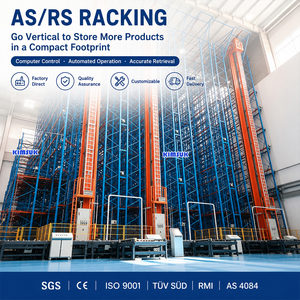
AS/RS Racking Seismic Stable Steel Frame Automated Pallet Rack Safe Tall Warehouse Storage, Estanterias Antisismicas
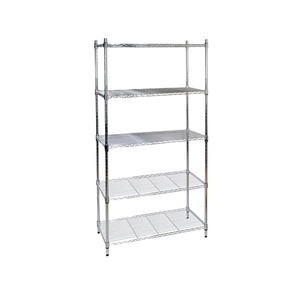
China Provide Metal Wire Narrow Shelving Rack With 5 Layers
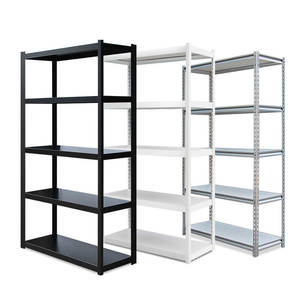
Mracking Sell Light Slotted Angle Rack Can Be Customized Supermarket Home Warehouse Slotted Angle Shelves
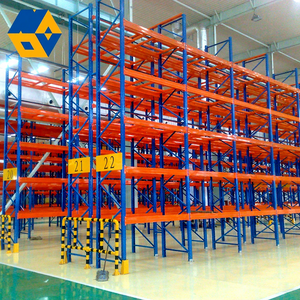
NOVA Industry Warehouse Steel Adjustable Shelf, Automation Equipment Heavy Duty Pallet Racking System Selective Pallet Rack
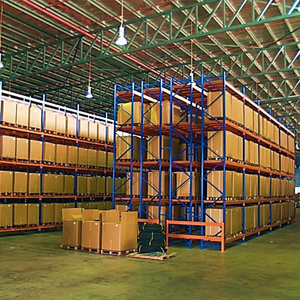
Factory Direct Sale Warehouse Shelves Pallet Steel Taiwan Heavy Duty Storage Industrial Shelving
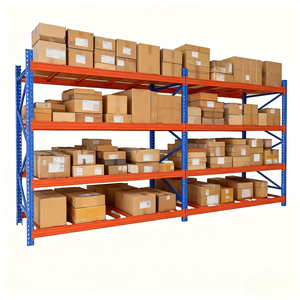
Adjustable Steel Storage Shelf Efficient Industrial Manufacture Factory Stacking Storage Unit Heavy Duty Warehouse Pallet Racks
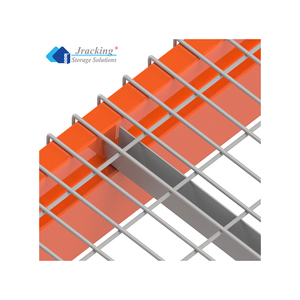
Wholesale Professional Strong Wire Mesh Garage Decking Pallet Board Low Price Selective Pallet Rack with Waterfall Racking
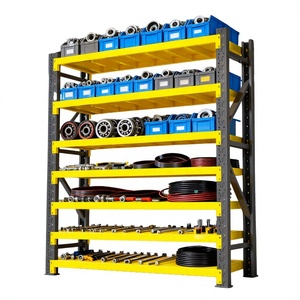
Low Price Durable 7-layer Anti Rust Heavy Duty Adjustable Metal Shelf And Racks Warehouse Storage Rack Shelf Longspan Shelf
Industrial Racking Manufacturing Infrastructure & Technical Capabilities
Combining automated roll forming lines, certified Q235B/Q355B structural steel, and rigorous Finite Element Analysis (FEA) to ensure absolute structural safety for global supply chains.
Full OEM & ODM Customization
We do not restrict your warehouse layout to standard catalogue dimensions. Every racking upright pitch (50mm/75mm), beam box profile, mobile guide rail, and bespoke RAL electrostatic powder coating formula is engineered to match your specific pallet dimensions, handling machinery, and localized building codes.
Stringent Compliance & Certifications
Our structures comply strictly with European EN 15512, EN 15620, and American RMI specifications. Validated with CE Certificate No. 2435-CPR-8605159 and ISO 9001:2015 registration No. 18624Q00169R0M, every structural design is accompanied by stamped calculation notes and material traceability reports.
Turnkey Engineering & Global Shipping
From initial DWG/BIM floor plan reviews, 3D structural modeling, and dynamic load testing to seaworthy bundle packing and on-site assembly supervision across European, American, Middle Eastern, and Southeast Asian deepwater ports, we eliminate project risk from concept through commissioning.
Evolutionary Trends in Movable Racking & High-Density Intralogistics
A strategic overview of mechanical mobile bases, seismic resilience, autonomous guided integration, and life-cycle cost mitigation in modern warehousing operations.
1. The Transition from Static Storage to High-Density Movable Racking
Modern distribution centers, 3PL logistics facilities, and cold storage chains operate under severe urban real estate valuation pressures. Traditional selective pallet racking systems dedicate up to 65% of warehouse footprint solely to forklift access aisles. As operating overhead rises, supply chain directors are systematically transitioning toward movable warehouse racking (heavy-duty mobile racking systems).
By mounting conventional racking superstructures onto electronically driven mobile bases that slide smoothly along flush embedded floor rails, multiple static access aisles are compressed into a single dynamic aisle opened only when pallet retrieval or placement is required. This architectural paradigm shift increases volumetric cubic utilization by 80% to 100%, effectively doubling total storage capacity without extending the industrial building envelope or requiring capital investment in brand-new real estate.
2. Engineering Advancements: Automation, IoT, and Optical Safety Sensors
Early-generation mobile racks relied heavily on manual mechanical hand-crank mechanisms or basic contact limit switches. Modern movable racking engineering integrates closed-loop Variable Frequency Drives (VFD), programmable logic controllers (PLC), and wireless optical telemetry. This ensures synchronized, ultra-smooth rack traversal without mechanical surging or pallet swaying, protecting high-center-of-gravity loads.
Furthermore, safety protocols have evolved into proactive optical detection grids. Intelligent light curtains, photoelectric proximity barriers, and ultrasonic sensors continuously monitor active working aisles. The mobile base halts instantly upon detecting personnel, handling equipment, or fallen freight, complying fully with the highest workplace safety mandates (such as EN 15095). Real-time diagnostic sensors integrated into the warehouse management software (WMS) monitor motor torque, wheel wear, and rail friction, enabling predictive maintenance schedules that prevent unplanned logistical downtime.
3. Future Procurement Trends: Cold Chain Optimization & AMR Co-Existence
Strategic enterprise procurement is undergoing distinct behavioral shifts. Chilled and deep-freeze logistics (-25°C to -30°C) represent the primary driving segment for movable racking installations. Because cooling an empty cubic meter of warehouse air represents recurring electrical expenditure, reducing aisle volume directly diminishes refrigeration energy overhead by up to 40%. Buyers are prioritizing low-temperature cold-formed steels with superior notch toughness to prevent brittle fracture under sustained cryogenic temperatures.
Another major trend is hybrid integration with Autonomous Mobile Robots (AMRs) and Automated Guided Vehicles (AGVs). Procurement specifications increasingly require movable racks equipped with automated aisle-opening relays triggered via radio frequency communication directly from automated vehicle navigation controllers. The physical racking is no longer a passive structural steel frame; it is an intelligent, reactive hardware module embedded into automated robotic fulfillment workflows.
4. Total Cost of Ownership (TCO) Procurement Evaluation Criteria
Tier-1 procurement teams have abandoned selecting racking suppliers based purely on upfront steel tonnage quotes. A rigorous Total Cost of Ownership evaluation model analyzes four core axes: steel yield strength ratios (Q235B vs. Q355B), automated powder coating film integrity (salt-spray corrosion resistance), long-term floor rail wear tolerances, and modular scalability. Partnering with an experienced OEM manufacturer capable of delivering customized base spans, pre-assembled bogies, and stamped seismic structural calculations ensures the system performs reliably for decades without structural fatigue or alignment failure.
Frequently Asked Questions on Movable Racking Procurement
Key technical answers prepared by our structural engineers to clarify engineering constraints, floor loading, and custom manufacturing inquiries.
What concrete floor tolerances are required for movable racking?
Heavy-duty mobile racking runs on precision steel rails embedded flush into the warehouse slab. Floors must comply with DIN 18202 or EN 15620 flatness tolerances. Our engineering team assists clients with slab load calculations and rail embedding layout drawings prior to concrete pouring or retrofitting.
Can movable racking systems be installed in seismic zones?
Yes. Our seismic-certified frames incorporate heavy-gauge steel uprights, dynamic top-tie bracing, anti-tilt mechanical locking devices on the mobile bases, and anchor engineering designed per Eurocode 8 or ASCE 7 seismic acceleration standards.
How does mobile racking handle sub-zero cold room environments?
For cold chain sites (-30°C), we employ high-grade structural steel treated against low-temperature embrittlement, IP65-rated drive motors, low-temperature synthetic lubricants, silicone wiring harnesses, and heated control panels to prevent moisture condensation.
What is the standard production and shipping lead time?
Standard fabrication runs between 20 to 35 calendar days depending on bay volume. Bundled components are secured with seaworthy steel straps and damp-proof plastic wrapping, shipping directly from Guangzhou port with complete container load optimization.