Light & Medium Duty
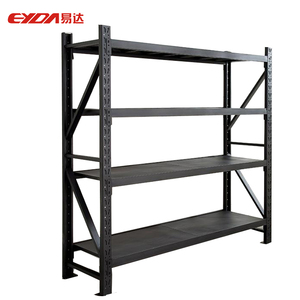
Heavy-duty, cold-rolled steel systems customized to warehouse clearance heights, pallet footprint variables, and automated material handling configurations.
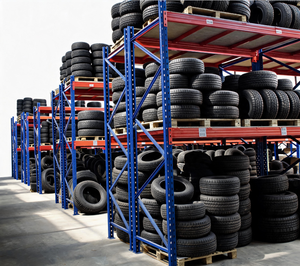
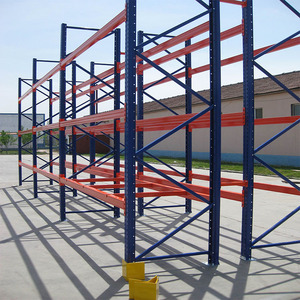
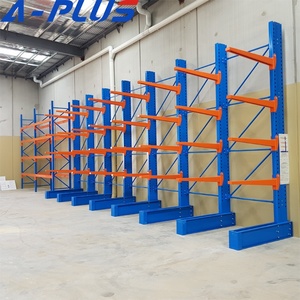
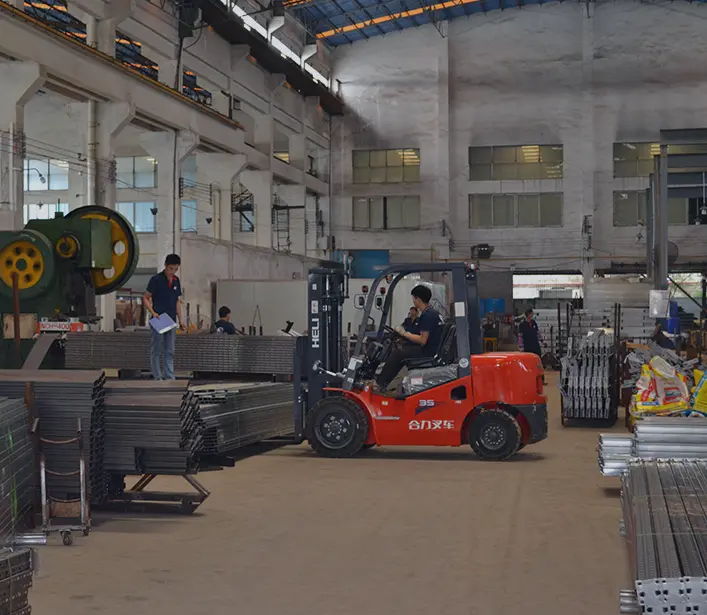
Founded in 2001, Guangzhou Heda Shelves Co., Ltd. operates as a specialized manufacturer and high-volume exporter of cold-formed structural warehouse shelving, industrial pallet racking systems, and integrated structural mezzanines. With an expansive 30,000 m² automated production base and a specialized technical workforce exceeding 300 professionals, our facility produces up to 30,000 metric tonnes of calibrated racking structures per month.
We provide full structural accountability for logistics hubs, distribution networks, multi-temperature food cold rooms, and automotive suppliers across Europe, the Americas, and APAC. From proprietary cold bending and automated multi-hole column punching to our 10-stage pre-treatment wash and electrostatic epoxy powder-coating lines, each component is engineered for continuous cycle resilience and seismic compliance.
Every prospective layout undergoes rigorous finite element structural analysis (FEA). We calculate beam deflections, aisle turning radiuses, upright axial loading, and vertical load clearances with zero layout fee.
Prior to powder curing, all steel members pass through continuous pickling, chemical rust removal, and phosphating tanks. This seals the cold-rolled substrate against extreme cold-room humidity and chemical oxidation.
Structural uprights and step beams are securely strapped with protective edge wraps, custom steel dunnage, and numbered hardware kits, ensuring straightforward container unpacking and site staging across European and global ports.
Identify optimal warehouse structural configurations based on inventory rotation velocity, pallet density, and floor space capital efficiency.
| System Configuration | Storage Density | Direct Accessibility | Rotation Methodology | Handling Equipment Integration | Primary Application Profile |
|---|---|---|---|---|---|
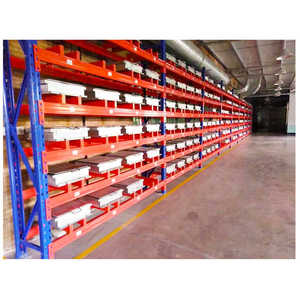
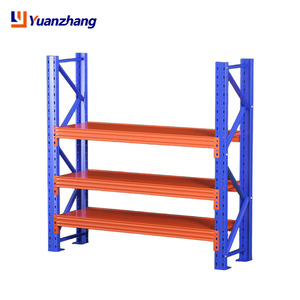
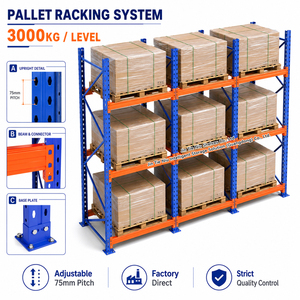
| Selective Pallet Racking | Baseline | 100% Direct Selective | FIFO / LIFO Adaptable | Counterbalance, Reach Trucks | 3PL hubs, general retail distribution, high SKU mix |
| Double Deep Racking | +30% vs Selective | 50% Immediate Access | LIFO Structured | Pantograph / Deep Reach Trucks | Wholesale bulk goods, multi-pallet per SKU operations |
| High-Density Drive-In | +60% to 75% | Lane-Indexed Only | Strict LIFO (FIFO Drive-Thru) | Standard Reach, Guided Counterbalance | Refrigerated cold chains, seasonal stockpiling |
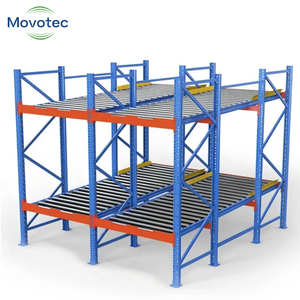
| Gravity Roller Flow | +65% Dynamic | Picking Face Selective | Strict Automatic FIFO | Standard Forklifts / AGVs | Perishable food, pharmaceuticals, date-sensitive consumer goods |
| Heavy Cantilever Racking | Variable Length | Unrestricted Frontal | Batch / Selective | Side Loaders, 4-Way Multi-Directional | Extruded pipes, structural timber, steel bars, sheet metal |
| Rack-Supported Mezzanine | +100% Floor Area | Multi-Tier Manual Access | Decoupled Picking | Vertical Reciprocating Conveyors (VRC) | E-commerce fulfillment centers, small parts manual picking |
Strategic structural adaptations modern supply chains must implement to mitigate surging real estate rents, automation shifts, and decarbonization mandates.
Traditional manually operated aisles are giving way to narrow-aisle robotics. Racking frameworks increasingly demand tight structural deflection tolerances (better than 1/1000 deflection) to facilitate autonomous shuttle guidance and laser navigation without positioning drift.
Global logistics centers are locating closer to urban demand nodes, requiring advanced ductility analysis under local seismic zones. Procurement strategies prioritize high-tensile cold-formed profiles with verified energy-dissipation baseplates and heavy bolted upright bracings.
With industrial refrigeration energy consumption at a premium, facilities are pivoting toward semi-automated radio shuttle lanes and ultra-dense drive-in topologies. Reducing wasted cubic air volume directly cuts HVAC operating expenditures by up to 35%.
Enterprise procurement departments are mandating full traceable supply chains. High-grade prime steel rolled from certified mills with documented scrap ratios, non-toxic lead-free epoxy powders, and zero-VOC curing are becoming core qualification criteria.
Faced with industrial land scarcity, facilities are expanding vertically rather than horizontally. Rack-supported mezzanine floors and self-supporting multi-tier platforms enable facilities to double or triple usable square footage without structural civil work.
Next-generation racking includes impact sensor brackets and digital deflection monitors on critical load-bearing uprights. Logistics operators prioritize racks designed to accept bolt-on column impact guards and safety telemetry retrofits.
Direct technical responses addressing steel specifications, safety certifications, custom OEM tooling, and international logistics execution.
How raw coils are engineered into certified structural racking components at our 30,000 m² factory.
Spectroscopic chemical testing and yield stress checking on prime structural coil stock before slitting.
Laser and high-speed rotary coil shearing maintain strict edge tolerances within ±0.15 mm.
Continuous hydraulic stamping lines punch precision pitch holes (50 mm / 75 mm increments) with zero burr formation.
Gradual cross-sectional cold forming across 18 to 22 roller stands minimizes residual internal stress.
Specialized double-C interlocking roll forming ensures structural beam profiles achieve maximum load resistance.
Automated flying cutoff saws trim profiles to specified lengths without thermal edge hardening.
Upright baseplates and multi-prong beam connectors are joined using automated CO2 shielded gas welding.
Multi-tank chemical immersion strips surface scale, rust, and oils, creating an optimal zinc-phosphate conversion layer.
Automated powder spray booths apply durable epoxy resin powders, cured at 180°C–200°C for superior scratch resistance.
Final micrometric coating thickness, cross-hatch adhesion checks, component bundling, and secure steel crating.
Submit your architectural layout or warehouse specifications today. Receive a free 3D CAD proposal, load capacity calculations, and an itemized factory-direct quotation within 24 business hours.