Precision Engineered Gravity-Fed Storage Systems
Explore our premier line of industrial gravity flow systems, heavy-duty roller racks, and versatile dynamic live storage solutions designed for maximum volumetric footprint utilization and high-turnover fulfillment.
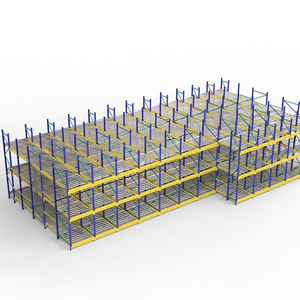
Heavy Duty Metal Gravity Flow Racks Customizable System
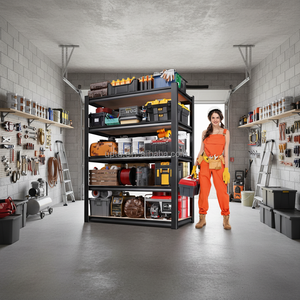
Live Pallet Flow Racking Gravity-Fed Heavy Duty Steel Wire Shelving
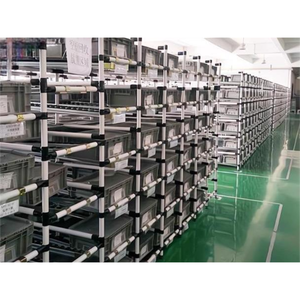
Gravity Fed Steel 5 Layer Adjustable Height Heavy Duty Flow Racks
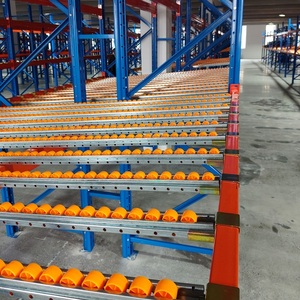
Space Saving Pallet Flow Rack Dynamic Gravity Fed Storage Racking
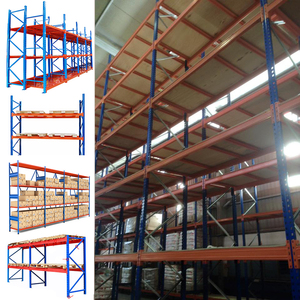
Adjustable Customized Gravity Storage Shelf Heavy Duty System
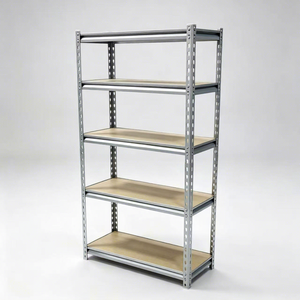
5 Tier Heavy Duty Boltless Storage Rack Unit 150kg Per Layer
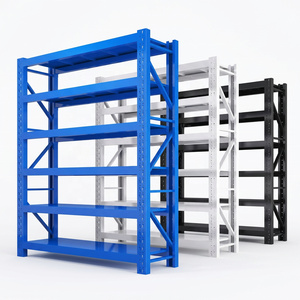
Medium Duty 6 Layer Steel Wire Industrial Storage Shelves
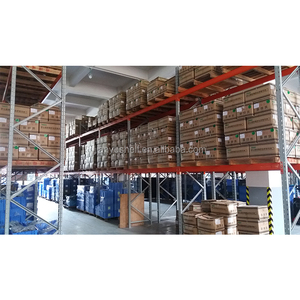
Commercial Industrial Pallet Rack Storage Heavy Duty System
The Mechanics of Gravity Fed Flow: Kinematics, Braking, & Volumetric Efficiency
Unlike static pallet racks, dynamic gravity-fed (live pallet flow) racking utilizes the natural force of terrestrial gravity to propel heavy freight across inclined roller tracks. Understanding the mechanical calculation prevents dangerous runaway velocities and product wedging.
Gradient Angle Physics (2.5° to 4°)
Gravity-fed racking operates on an incline gradient calibrated strictly between 2.5% and 4.0% (typically 1.5° to 2.3° pitch), governed by pallet bottom deflection, bottom runner condition (GMA vs. Euro EPAL flat runners), and load payload mass (typically 300kg to 1,500kg per position).
Centrifugal Speed Controller Dampeners
To eliminate velocity acceleration in lanes stretching 10 to 25 pallets deep, self-energizing centrifugal brake rollers are embedded periodically along the tracks. These internal fluid-damped or mechanical gear-driven rollers restrict descent speed to a uniform 0.25 to 0.30 meters per second.
Automatic Pallet Separator Systems
At the discharge picking face, accumulated hydraulic pressure from behind can trap the leading pallet, making forklift extraction perilous. Automatic mechanical separator catches decouple rear pallets until the front unit is lifted clear, protecting forklift masts and operators.
| Racking Architecture | Space Utilization Ratio | Stock Rotation Strategy | Picking Throughput Speed | Forklift Travel In-Lane | Safety Factor vs. Collisions |
|---|---|---|---|---|---|
| Gravity-Fed Pallet Flow | Up to 85% Density | Strict FIFO (First-In, First-Out) | Very High (Dedicated Aisles) | Zero (External Aisles Only) | Maximum (Separated Traffic) |
| Drive-In Racking | Up to 80% Density | Strict LIFO (Last-In, First-Out) | Moderate / Slow Bottlenecks | High (Forklift Enters Storage Deep) | Higher Upright Impact Risk |
| Radio Shuttle Automation | Up to 85% Density | Flexible FIFO or LIFO | High (Automated Cart Driven) | Zero (Aisle Loading Interface) | Maximum Structural Integrity |
| Conventional Selective Rack | 35% - 45% Density | Direct Selective Access | High Single SKU Access | Continuous Travel In Every Aisle | Frequent Aisle Interference |
Future Procurement Trends in Gravity-Fed Warehouse Systems
As global supply chains face escalating real estate costs, tighter carbon regulations, and acute warehouse labor shortages, procurement officers are modernizing dynamic gravity storage specifications to integrate next-generation automation.
AGV / AMR Integration Hubs
Gravity flow racks are transitioning from pure manual forklift handling into buffering endpoints for Autonomous Mobile Robots (AMRs) and Automated Guided Vehicles (AGVs). Procurement specifications now mandate optical alignment guides and precise centering entry channels to ensure sub-millimeter robotic docking accuracy.
Decarbonized Cold Chain Operations
Refrigerated warehouse electricity costs represent up to 40% of thermal facility operational expenses. Dynamic gravity fed racking compresses cooling airspace volume by up to 55% compared to selective aisles. Zero electricity is needed within the flow lanes, yielding immense ESG carbon offsets and energy reduction credits.
Modular Roll-Formed Customization
Static fixed-incline systems are rapidly being phased out. Enterprise procurement contracts demand reconfigurable pitch beds (50mm vertical incremental changes), split roller tracks, and modular snap-in polyurethane rollers that accommodate shifting carton dimensions, slave boards, plastic totes, and wooden skids without systemic re-engineering.
Telemetry & Optical Inventory Sensors
Modern distribution systems increasingly feature retrofitted low-power optical time-of-flight (ToF) and ultrasonic sensors along gravity channels. These send real-time pallet-fill status directly to warehouse management systems (WMS), enabling live replenishment alerts and eliminating manual aisle audits.
Why Global Tier-1 Distributors Rely On Guangzhou HEDA Shelves
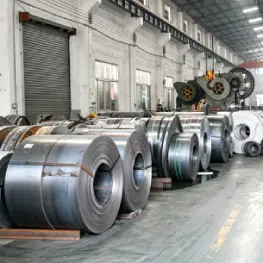
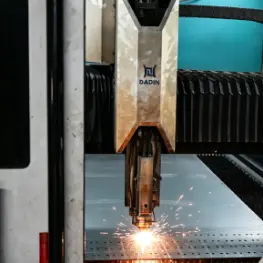
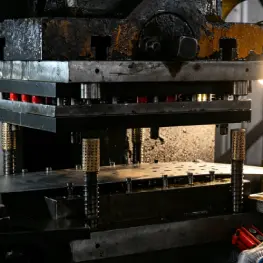
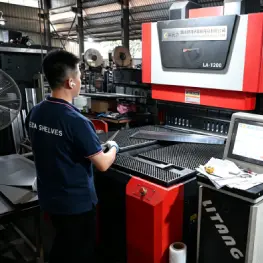
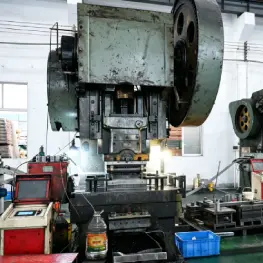
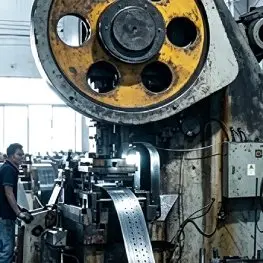
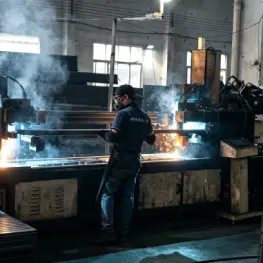
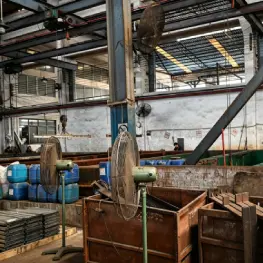
Founded in 2001, Guangzhou Heda Shelves Co., Ltd. is a world-recognized racking and industrial shelving manufacturer. Our integrated 30,000 square meter production facility supplies dependable, CE and ISO-certified dynamic storage systems to more than 120 nations worldwide.
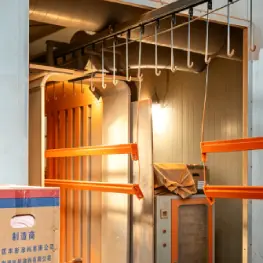
Our Strict 10-Step In-House Racking Manufacturing Protocol

Verified International Certification Compliance
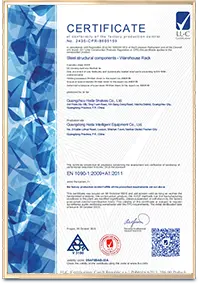
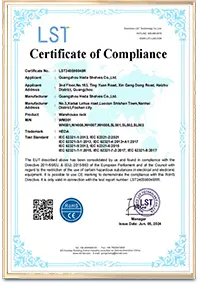
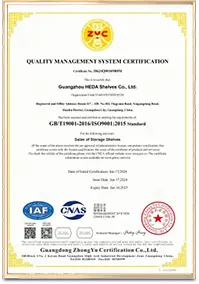
HEDA Shelves complies strictly with European structural steel guidelines and global warehouse safety standards. Every production batch is certified and traceable back to original steel mill certs.
-
CE Certificate No. 2435-CPR-8605159 Certified for European Construction Products Regulation (CPR) compliance, EN 15512 & EN 15620.
-
ISO 9001:2015 Quality Management System Certificate No. 18624Q00169R0M verifying end-to-end continuous quality control from raw coil to crating.
-
Compliant with RoHS & FEM 10.2.02 Standards Lead-free, eco-friendly polyester resin electrostatic powder coating cured at 200°C for exceptional durability.

Frequently Asked Questions (FAQ) for Global Racking Buyers
Critical technical guidance compiled by our senior structural engineers to facilitate rapid procurement decisions, layout validations, and seamless customs clearance.
What slope angle is required for standard Euro pallets vs. GMA skids in gravity flow racks? +
How does the centrifugal brake roller system prevent heavy pallets from colliding at excessive speeds? +
Can HEDA Shelves gravity flow systems be installed inside sub-zero cold storage facilities (-30°C)? +
What safety calculations and European structural standards are applied to project designs? +
What are the production lead times and maritime shipping terms for international export orders? +
Do you offer OEM private-label manufacturing and customized beam lengths for distributors? +
Request a Custom 3D CAD Warehouse Layout & Factory-Direct Quote
Send our senior engineering team your warehouse DWG floor plan, pallet dimensions, target unit weights, and inventory turnover specs. We deliver complete 3D layouts, lane slope calculations, and factory-direct pricing within 24 hours.