Featured Industrial & Dynamic Racking Implementations
From full-scale gravity-fed roller lanes and pallet flow architectures to multi-tier mezzanines, discover factory-certified storage systems deployed across global logistics hubs.
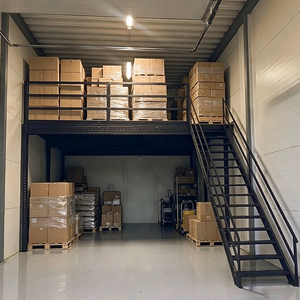
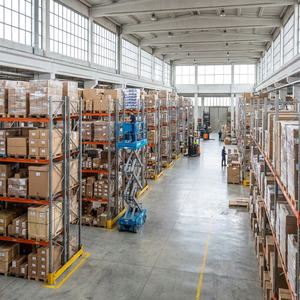
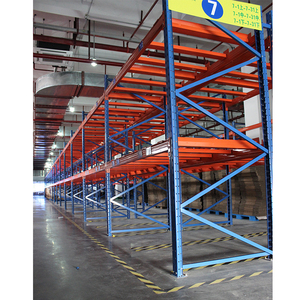
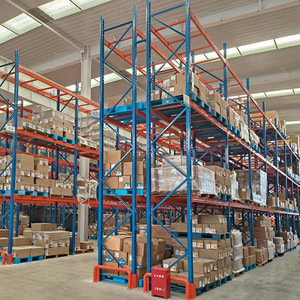
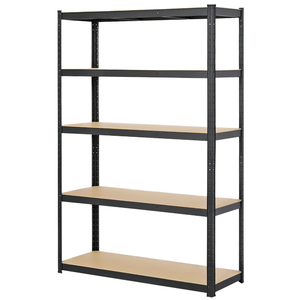
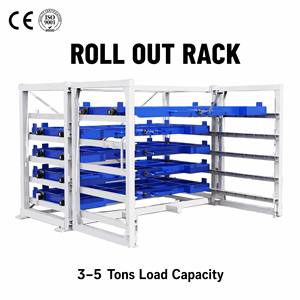
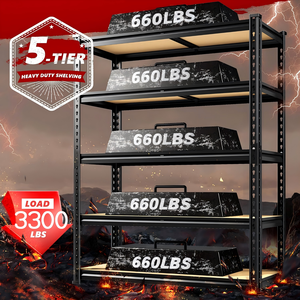
Anatomy of Industrial Roller Pallet Racking (Gravity Live Storage)
Roller pallet racking—also known globally as Pallet Flow Racking or Gravity Flow Storage—relies on high-yield cold-rolled steel rails, precision cylindrical rollers, and hydrostatic dynamic braking systems to automate inventory circulation under pure gravitational energy.
Full-Width Galvanized Rollers
Heavy-gauge, zinc-passivated cylindrical steel rollers mounted on self-lubricating ball bearings. Engineered to support unit loads exceeding 1,500 kg per pallet, resisting environmental humidity and cold-chain thermal expansion.
Centrifugal Speed Controllers
Integrated indirect braking rollers engage automatically through mechanical inertia when pallet descent speeds exceed 0.3 m/s. This stabilizes descending momentum across extended lanes up to 30 pallets deep.
Pallet Separation Interfaces
Automated mechanical load separators detach the picking-face pallet from accumulating backpressure. Forklift operators safely lift the initial pallet without rear line friction, preventing dangerous kickbacks.
Dynamic Roller Racking vs. Alternative High-Density Systems
A granular structural comparison engineered for logistics directors assessing floor-space optimization, inventory throughput cycles, and maintenance capital.
| Architecture Type | Inventory Principle | Floor Utilization | Throughput Velocity | Primary Application Profile |
|---|---|---|---|---|
| Roller Pallet Racking (Gravity Flow) | Strict FIFO (First-In, First-Out) | Up to 85% volumetric density | Rapid (Simultaneous load/pick) | Perishables, Cold Chain, High-Turnover FMCG |
| Radio Shuttle Automation | FIFO or LIFO Selectable | Up to 88% volumetric density | High (Automated carrier cart) | Mega Cold Stores, Raw Material Deep Storage |
| Push Back Racking (Carts/Rails) | Strict LIFO (Last-In, First-Out) | 65% – 75% volumetric density | Moderate (Single aisle cycle) | Batch manufacturing, Non-perishable wholesale |
| Standard Selective Racking | Direct Pallet Access (Any) | 35% – 45% volumetric density | Linear (Aisle bound) | Complex multi-SKU retail hubs, 3PL logistics |
Future Procurement & Technology Trends in Roller Racking Systems
Warehouse logistics is entering a hyper-automated phase. Plant directors and procurement managers must account for changing operational dynamics when sourcing heavy-duty steel infrastructure.
1. Hybridization with Autonomous Mobile Robots (AMRs)
Future gravity roller beds are engineered with photo-electric staging sensors and automated roller-stop releases. These link directly with AMRs and AGV counterbalance trucks for unmanned intake and dispatch lines, eliminating manual forklift navigation entirely.
2. Smart Kinetic Rollers & IoT Dynamic Health Monitoring
The integration of self-powered micro-sensors directly within braking cylinders provides real-time telemetry on roller RPM, surface friction, and structural chassis deflection. Facilities predict bearing fatigue weeks before roller lockup can cause line stagnation.
3. Low-Carbon High-Strength Micro-Alloy Steels
Driven by corporate ESG benchmarks, modern racking systems utilize certified green-steel alloys with added niobium and vanadium. This increases yield strength beyond 450 MPa while reducing physical upright gauge thickness and embodied carbon footprints by up to 22%.
Direct Manufacturing Excellence: From Coil to Finished System
Guangzhou Heda Shelves Co., Ltd. (established in 2001) provides an accountable supply chain for commercial racking, warehouse mezzanines, and gravity flow logistics. Over 300 technical personnel and 30,000 square meters of production infrastructure operate under rigorous quality control.
Certified Quality & Norms
Full compliance with CE Certificate No. 2435-CPR-8605159, ISO 9001:2015 No. 18624Q00169R0M, and RoHS green finishing. Structural calculations reference European standards EN 15512, EN 15620, and EN 15635 for local building permit pass rates.
10-Stage Precision Fabrication
In-house continuous roll forming, automated high-tonnage multi-punch upright lines, robotic seam welding, hot chemical pickling & phosphating, and automated electrostatic powder curing deliver impact-resistant finishes rated for harsh warehouse abuse.
Export Logistics & Installation
Dedicated seaworthy palletization with numbered sub-assemblies shipped directly to major international ports (Rotterdam, Hamburg, Antwerp, Valencia, Felixstowe). Comprehensive 3D CAD step-by-step schematics and remote engineer guidance support project assembly.
Frequently Asked Questions: Roller Racking & Pallet Flow Procurement
Critical technical considerations answered by our structural and logistics project engineers.
Gravity roller lanes are typically calibrated at a 3% to 4% decline (approx. 35–40 mm drop per meter of lane length). The exact inclination depends on pallet timber composition, bottom-runner profile (Euro 1200×800 vs. Industrial 1200×1000), total weight distribution, and whether goods operate under frozen or ambient temperatures.
Systems feature dynamic load separation devices. As the first pallet hits the end-stop, it triggers a mechanical lock that holds back trailing pallets 150–200 mm behind it. This relieves hydraulic backpressure, ensuring the front pallet can be cleanly extracted by a forklift without dangerous friction drag.
Pallets must possess sound structural underside skids without broken boards or protruding hardware. Plastic pallets or slave pallets require customized 3-track or full-width roller layouts with textured track profiles to ensure drive wheels and braking friction operate reliably without slippage.
In sub-zero cold chain freezers (-25°C to -30°C), standard grease coagulates and slows roller bearings. We specify low-temperature synthetic lubricants, stainless internal bearing races, and synthetic seals on speed controllers to maintain consistent rolling friction and prevent freeze-ups.
Standard production cycles range between 15 and 30 business days based on order tonnage and bespoke RAL powder finishes. Direct container sea freight from our Guangzhou facility to Western European ports (e.g., Rotterdam, Hamburg, Antwerp) typically adds 30 to 40 days in transit.
Every installation includes signed static engineering calculations referencing EN 15512:2020 principles, load placards indicating maximum shelf and bay load ratings, component mill test certificates for steel grade authentication, and complete layout assembly drawings.
Optimize Your Warehouse Density & Throughput Today
Submit your floor plan (DWG/PDF), clear internal ceiling heights, pallet dimensions, and SKU turnover targets. Our senior logistics engineers will provide a complimentary 3D layout, static calculation table, and factory-direct project quotation within 24 hours.
Inquire Now