1. Built-In Tiered Spill Containment as a Non-Negotiable Standard
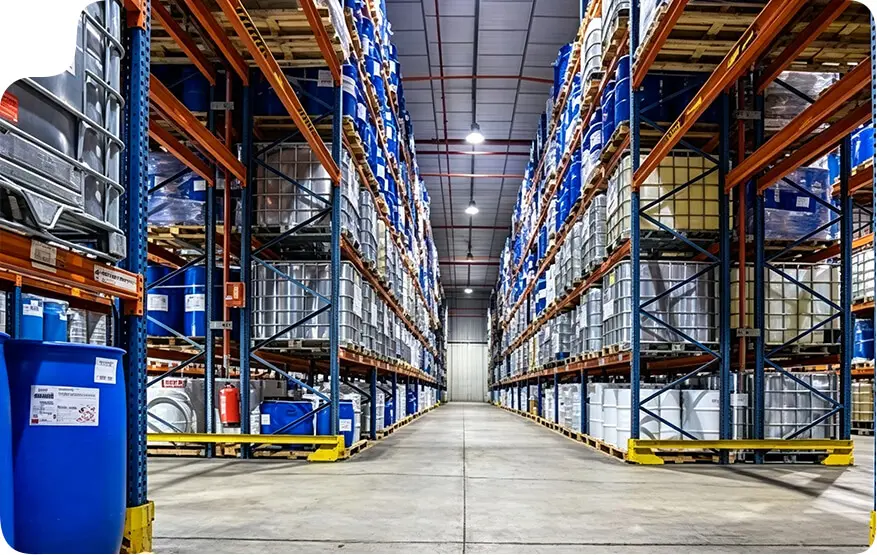
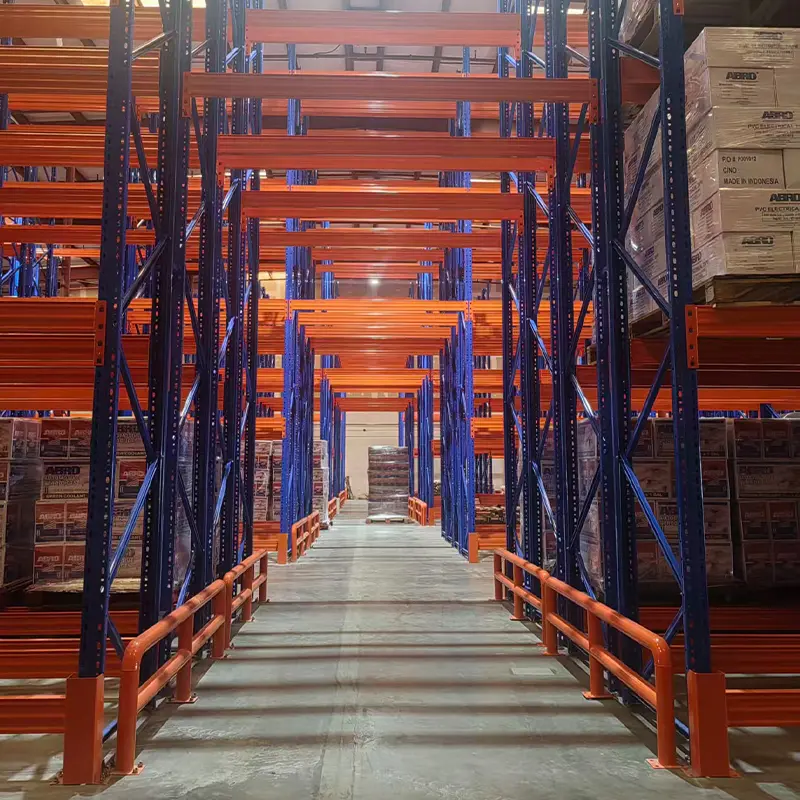
Historically, warehouses relied on central epoxy-coated floor sumps or perimeter trenching. Future procurement guidelines increasingly stipulate level-by-level catchment bunding. Under revised global chemical handling directives, a chemical storage racking system must contain leaks immediately at the point of origin, preventing liquids from cascading onto lower tiers or reaching the main transit aisle. Guangzhou Heda Shelves Co., Ltd. provides modular galvanized and stainless steel sump basins designed to fit directly onto load beams without sacrificing structural clear height.
2. Integration of In-Rack Fire Sprinklers and Thermal Barriers
Modern high-bay chemical logistics facilities operate under stringent NFPA 30 and European FM Global guidelines for Class IB, IC, and Class II combustible and flammable liquids. Procurement specifications now require factory-drilled upright frames and custom transverse cross-ties that accommodate vertical water/foam deluge riser pipes. Moreover, horizontal flue spaces must remain unobstructed, requiring integrated backstops and wire mesh safety screens that prevent pallets from intruding into vital ventilation and suppression zones.
3. Transition to Automated & ATEX-Compliant Storage Environments
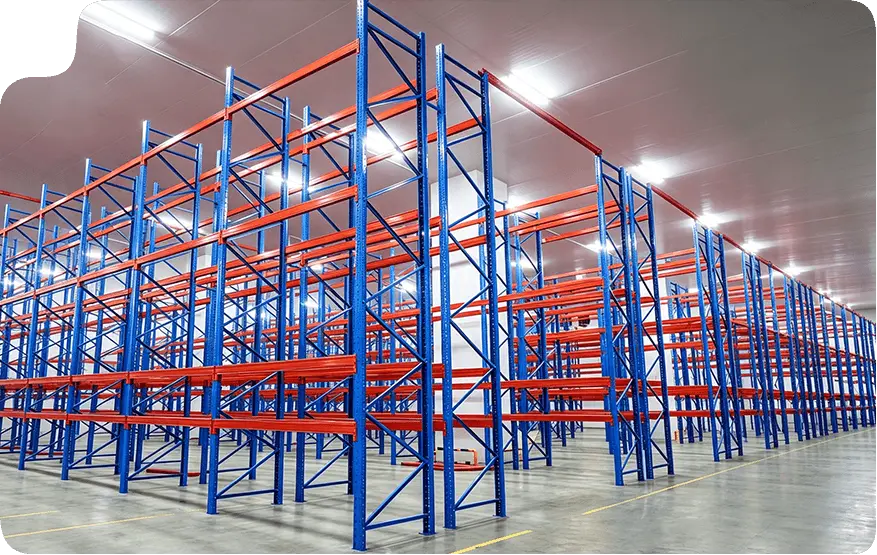
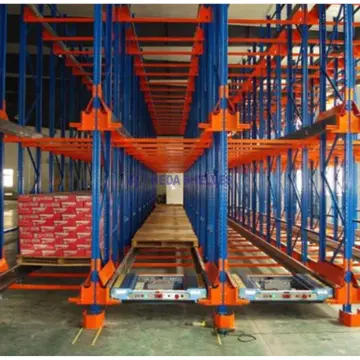
Labor shortages and extreme workplace safety liabilities are pushing hazardous chemical logistics toward automation. Automated storage and retrieval systems (ASRS) and deep-lane radio shuttles reduce human presence in toxic or explosive atmospheres. Procurement teams now require cold-formed steel racking built to tighter robotic dimensional tolerances (EN 15620 Class 100/200), alongside fully grounded rack frameworks equipped with anti-static bonding lugs to eliminate electro-static discharge hazards.