Heavy Duty
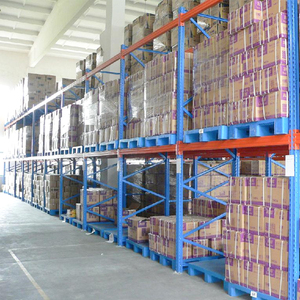
Direct factory-engineered systems manufactured under ISO 9001 and CE standards, precision-customized to standard Japanese T11 pallets (1,100 × 1,100 mm) and high-throughput Osaka port distribution operations.
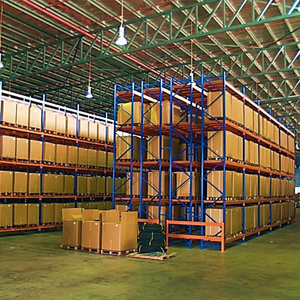
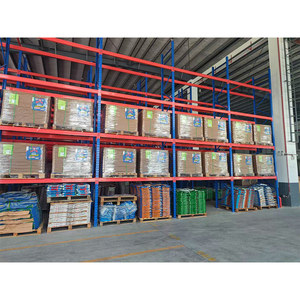
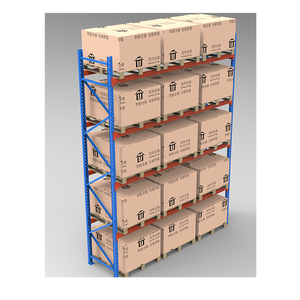
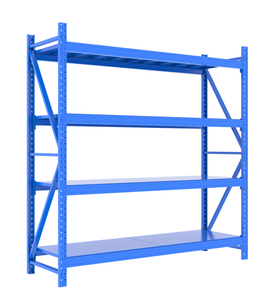
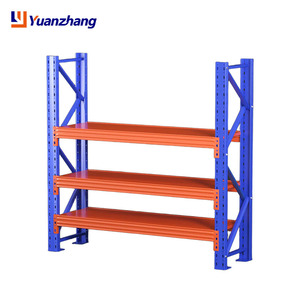
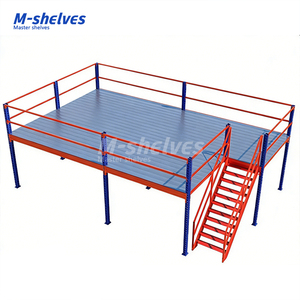
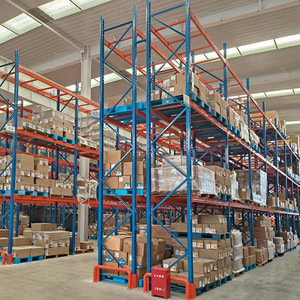
In modern warehouse architecture, Flow Rail Racking (also classified under dynamic gravity pallet flow and live storage systems) represents the mechanical benchmark for high-density, First-In, First-Out (FIFO) and deep-lane First-In, Last-Out (FILO) material transport. Rather than dedicating up to 60% of floor space to forklift maneuvering aisles—as seen in traditional selective pallet racking layouts—flow rail technology uses gravitational force and precision inclined roller channels to transport palletized unit loads automatically from an intake loading lane to a discharge retrieval face.
For warehouse operations across the Greater Osaka Metropolitan Area, where real estate values in prime coastal logistics nodes command high rental premiums, space utilization rates must exceed 80% to maintain cost competitiveness. Our engineered flow rail tracks utilize cold-rolled, structural steel channels equipped with staggered high-impact polyolefin or galvanized steel rollers. Operating on a calibrated pitch gradient between 2.5% and 3.5% (approx. 1.5° to 2.0° slope), our systems maintain self-starting pallet movement even under heavy 1,500 kg loads while preventing uncontrolled runaway acceleration.
Integrated mechanical pallet separators physically decouple the front picking pallet from the queue behind it. Relieving backpressure ensures forklift tines extract the front load smoothly without binding or damaging timber runners.
Designed around Japan's JIS Z 0601 standard T11 pallet format (1,100 × 1,100 mm). Custom multi-track wheel layouts ensure zero dead-lock, sagging, or tracking skew, whether using wood, HDPE, or metal skids.
Formulated with synthetic low-temperature lubricants and hermetically sealed precision bearings rated from -30°C to +40°C, preventing roller freeze-up in high-humidity Kansai seafood and frozen food distribution depots.
The Kansai region is Japan's second-largest economic engine, with the Osaka Bay area functioning as the primary international maritime and domestic distribution pivot. Given the geographic convergence of sea freight, inland expressways, and high industrial densities, our China-manufactured flow rail systems target specific local logistics bottlenecks across Osaka Prefecture:
Reclaimed coastal terminal zones handle heavy container flows from Port of Osaka. High humidity and marine salinity demand superior surface protection alongside compact layouts.
Refrigerated warehouse facilities serving central fish and agricultural markets require zero wasted airspace to control high refrigeration electrical expenses.
Precision tooling, automotive components, and electronics manufacturers utilize dynamic flow rail lines for Just-In-Time (JIT) line-side component supply.
The Japanese logistics sector faces structural shifts following the full enforcement of the revised Labor Standards Act (働き方改革関連法), commonly referred to in Osaka's supply chain industry as the "2024 Problem" (2024年問題). With truck driver annual overtime capped at 960 hours, freight dwell times at unloading docks must be cut drastically. Warehouses that fail to pick, stage, and load freight within tight delivery windows risk driver refusals and compounding transport surcharges.
Conventional selective pallet racking creates forklift bottlenecks during morning dispatch peaks, as multiple operators vie for the same narrow aisles. Our gravity flow rail channels decouple inbound loading from outbound picking. Inbound teams load whole lanes from the rear while outbound pickers stage vehicles from the front without cross-aisle interference. Pallets gravity-feed directly to the staging face, reducing cycle times by up to 60%.
Rising energy costs across Kansai Electric Power (KEPCO) grids have prompted corporate CFOs to evaluate energy-neutral material handling options. While automated crane AS/RS solutions involve high initial CAPEX and substantial continuous power consumption, gravity flow rail systems leverage natural potential energy. They require zero kilowatt-hours during daily operation and remain operational during regional power outages.
To assist logistics directors and engineering consultants in Osaka, the table below provides an objective comparison of primary warehouse storage topologies based on density, handling speed, capital expenditure, and operational expenses:
| System Type | Storage Density | Stock Rotation | Forklift Travel Time | Maintenance Complexity | CAPEX Index |
|---|---|---|---|---|---|
| HEDA Gravity Flow Rail | Very High (Up to 85%) | Strict FIFO (True Dynamic) | Low (Decoupled Aisles) | Low (Self-Braking Gravity) | Moderate |
| Selective Pallet Racking | Low (40% - 50%) | Any (Arbitrary Access) | High (Full Aisle Travel) | Minimal | Low |
| Drive-In Pallet Racking | High (Up to 75%) | Strict LIFO (Last-In First-Out) | Very High (Drive inside bays) | Moderate (Impact prone) | Low-Moderate |
| Semi-Automated Radio Shuttle | Extremely High (85%+) | FIFO or LIFO Selectable | Low (Lane Entrance Pick) | High (Batteries, Sensors) | High |
| VNA (Very Narrow Aisle) | Medium-High (60% - 70%) | Any (100% Selectivity) | Medium (Turret Truck reliant) | Moderate | Moderate-High |
A primary consideration for purchasing industrial equipment in the Kansai basin is structural seismic resistance. Geotechnical conditions along Osaka Bay—notably Sakishima, Yumeshima, and Amagasaki—consist of deep alluvial clay and reclaimed marine sand sensitive to long-period ground motions. Any storage system must align with rigorous earthquake safety standards, including the structural intent of the Building Standard Law of Japan (建築基準法) and JIS B 8931 industrial rack codes.
Guangzhou Heda Shelves Co., Ltd. incorporates FEA (Finite Element Analysis) to model structural behavior under seismic acceleration:
Our upright columns feature cold-formed profiles with 11 distinct structural bends, delivering superior torsional resistance and load-bearing capacity compared to conventional open C-sections.
High-tensile, oversized ductile footplates distribute dead loads and dynamic lateral shear stresses, secured with heavy-duty chemical anchors rated for Osaka's seismic soil categories.
Every dynamic flow track is fitted with load-retention stops, anti-rebound mechanical catches, and high-visibility pallet centering entry guides to prevent load jump during seismic events.
Get a comprehensive CAD layout design, structural load capacity calculations, and factory-direct pricing tailored to your bay height, pallet weight, and throughput targets.
Send an InquiryFounded in 2001, Heda Shelves provides end-to-end racking solutions for logistics providers across Asia, Europe, and the Americas. By working directly with our manufacturing headquarters, Japanese procurement teams avoid intermediary markups while obtaining certified engineering documentation.
Operates under verified ISO 9001:2015 Quality Management (No. 18624Q00169R0M) and European CE Factory Production Control (No. 2435-CPR-8605159), ensuring dimensional precision and steel batch traceability.
Our in-house design engineering department develops full DWG layout plans, bay load calculation reports, and 3D operational simulations prior to raw steel procurement.
Includes complete pickling and phosphating stages followed by continuous electrostatic powder coating, providing high scratch, rust, and chemical resistance in coastal environments.
Located near major South China sea terminals, we maintain scheduled liner shipping to the Port of Osaka and Port of Kobe with standard transit times of just 4 to 6 days.
Clear engineering and commercial answers for warehouse managers, 3PL developers, and general contractors in Osaka and the wider Kansai region.
Have a specific warehouse blueprint or bill of materials ready for review?
Send an Inquiry