Engineered High-Density Racking & Industrial Storage Solutions
Direct factory production lines utilizing automated cold-bending, structural robotic welding, and multi-tier surface pre-treatment to ensure maximum load capacities and operational longevity.
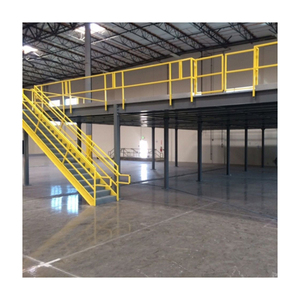
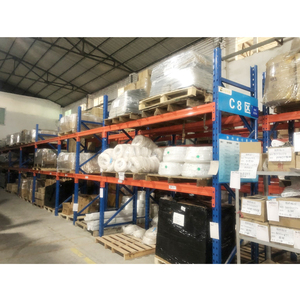
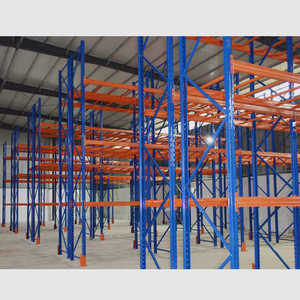
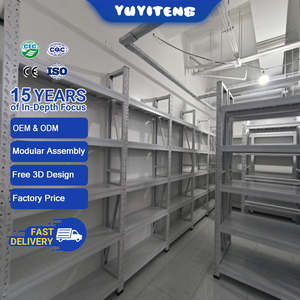
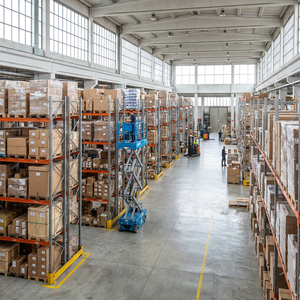
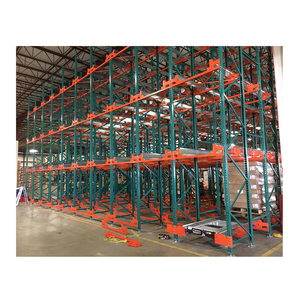
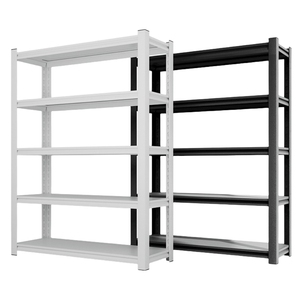
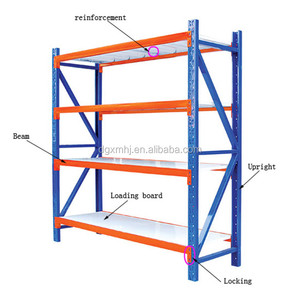
Structural Paradigms in Modern High-Density Warehousing
In contemporary supply-chain ecosystems, enterprise logistics managers face persistent structural challenges: inflating industrial real estate costs, escalating handling expenses per pallet, and tighter fulfillment turnaround times. As a result, selecting an industrial storage infrastructure has evolved beyond simple steel fabrication into a multi-variable engineering discipline involving seismic load dynamics, material yield strengths, and automation kinematics.
High-density racking configurations—ranging from classical Drive-In/Drive-Through arrays to automated Radio Shuttle deep-lane systems and structural Mezzanine platforms—are designed to overcome volumetric obsolescence. Conventional selective layouts yield volumetric efficiency rates hovering between 35% and 45%, with aisles consuming more than half of the floor footprint. Conversely, modern high-density architectures increase cubic space utilization up to 80%, substantially reducing total cost per storage unit across heavy industrial, cold-chain, and 3PL fulfillment environments.
Engineering & Kinematic Comparison Matrix
Technical specifications evaluated by our chief structural engineers to guide procurement feasibility reviews.
| Racking Typology | Volumetric Density | Stock Rotation Logic | Handling Velocity | Typical Industrial Application |
|---|---|---|---|---|
| Radio Shuttle System | Extreme (>85%) | Flexible FIFO / LIFO | High (Automated Carrier) | Cold Storage, Food & Beverage, Large Batch FMCG |
| Double Deep Pallet Rack | Moderate (60–65%) | Strict LIFO | Medium (Reach Truck) | Dry Grocery, Paper Packaging, Component Logistics |
| Drive-In Racking | High (70–75%) | Strict LIFO | Low-Medium (Forklift Entry) | Seasonal Storage, Raw Material Buffers, Chemical |
| Gravity Pallet Flow | High (75–80%) | Strict FIFO | High (Gravity Fed Rollers) | Pharmaceuticals, Perishables, Fast Turnover Hubs |
| Rack-Supported Mezzanine | Maximum Vertical Cube | Omni-Channel Picking | High (Multi-Tier Ergonomic) | E-Commerce Fulfillment, Spare Parts, Garment Distribution |
Future Procurement & Technological Trends in High-Density Storage
Key technological trajectories driving capital expenditure decisions for global logistics facilities.
Automation Convergence (ASRS & AMR Integration)
The boundary between static steel racking and robotics has blurred. Future-proof procurement favors shuttle rails that integrate directly with Autonomous Mobile Robots (AMRs), automated vertical lifts, and Warehouse Execution Systems (WES), minimizing human intervention in chilled and hazardous environments.
High-Strength Lightweight Structural Steels
Procurement specifications are shifting toward higher-grade cold-formed alloys (such as Q355B and specialized micro-alloyed structural steels). These grades yield thinner cross-sections with increased torsional resistance, directly lowering shipping container weight and overall carbon impact.
Deflection Diagnostics & Real-Time IoT Monitoring
Modern high-bay storage increasingly integrates continuous telemetry. Strain sensors and wireless impact nodes retrofitted to upright frame columns alert maintenance supervisors to beam deflection anomalies and structural forklift collisions before micro-fractures compromise system stability.
Guangzhou HEDA Shelves: Advanced Manufacturing Competence
Founded in 2001, Guangzhou Heda Shelves Co., Ltd. operates a vertically integrated 30,000 m² facility with complete technical control over every phase of heavy storage fabrication.
Stringent CE & ISO Certification
Fully compliant with the European Construction Products Regulation. We hold CE Certificate No. 2435-CPR-8605159, ISO 9001:2015 No. 18624Q00169R0M, and RoHS adherence, ensuring all load tables reference EN 15512 and EN 15620 guidelines.
Free Comprehensive 3D & CAD Layouts
Our in-house structural engineering unit provides full structural layout configurations, DWG architectural plans, and 3D FEA (Finite Element Analysis) stress diagrams without upfront cost, aligning precisely with local seismic regulations.
10-Step Precision Manufacturing
From automated roll-forming and CNC continuous punching to automated pickling, phosphating, and electrostatic powder curing lines. This process delivers resilient adhesion and corrosion protection in high-humidity and cold-storage operations.
Direct Factory Export & Global Logistics
Container optimization protocols prevent maritime transit damage. We coordinate FOB, CIF, or DDP shipments with major container gateways globally (including Rotterdam, Hamburg, Antwerp, Valencia, and Long Beach), complete with technical assembly blueprints.
Frequently Asked Questions: High-Density Racking Procurement
Technical, regulatory, and logistics clarifications addressed by our engineering and export departments.
How does Guangzhou HEDA ensure structural compliance with European standard EN 15512?
What criteria determine whether Radio Shuttle or Drive-In Racking is more appropriate?
What parameters are required by your engineering team to produce a complimentary CAD layout?
Can customized RAL colors and OEM branding be applied for system distributors?
What is the typical manufacturing lead time and sea freight schedule for high-density systems?
Transform Your Warehouse Volumetric Capacity Today
Consult with our senior logistics structural engineers. Submit your site specifications or CAD drawings to receive an engineered layout, load calculation schedule, and factory-direct quotation within 24 hours.