Global Logistics Infrastructure Insights

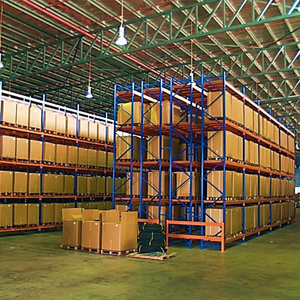
China Top Tall Warehouse Racking Factories & Exporters

Engineering analysis, seismic safety benchmarks, and procurement protocols for high-bay, heavy-duty industrial storage systems.

Core Structural Inventory

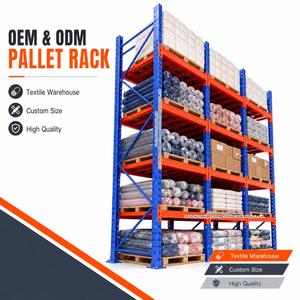
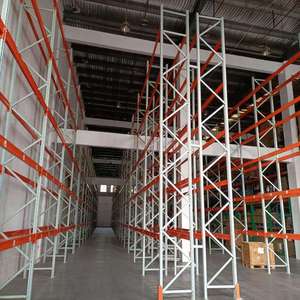
High-Bay & Heavy-Duty Warehouse Racking Systems

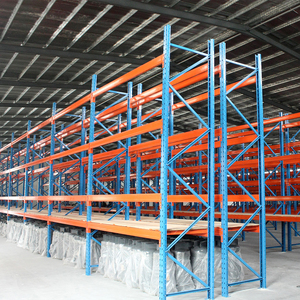
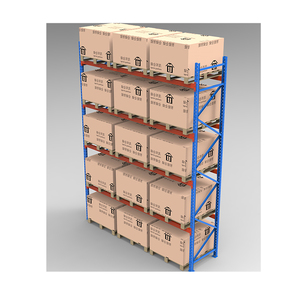
Engineered to FEM 10.2.02, EN 15512, and RMI standards. Designed for high cube utilization, aggressive load capacities, and robotic handling interface compatibility.
25+
Years Engineering Excellence
30,000t
Monthly Manufacturing Capacity
10,000+
Completed Global Installations
100%
EN 15512 & CE Verified Batches
Manufacturing Mastery

Why Tier-1 3PLs and Plant Directors Source Directly From Our Plants

Combining heavy-gauge cold rolled steel processing, automated roll forming lines, and precision structural simulations to deliver turn-key structural stability.
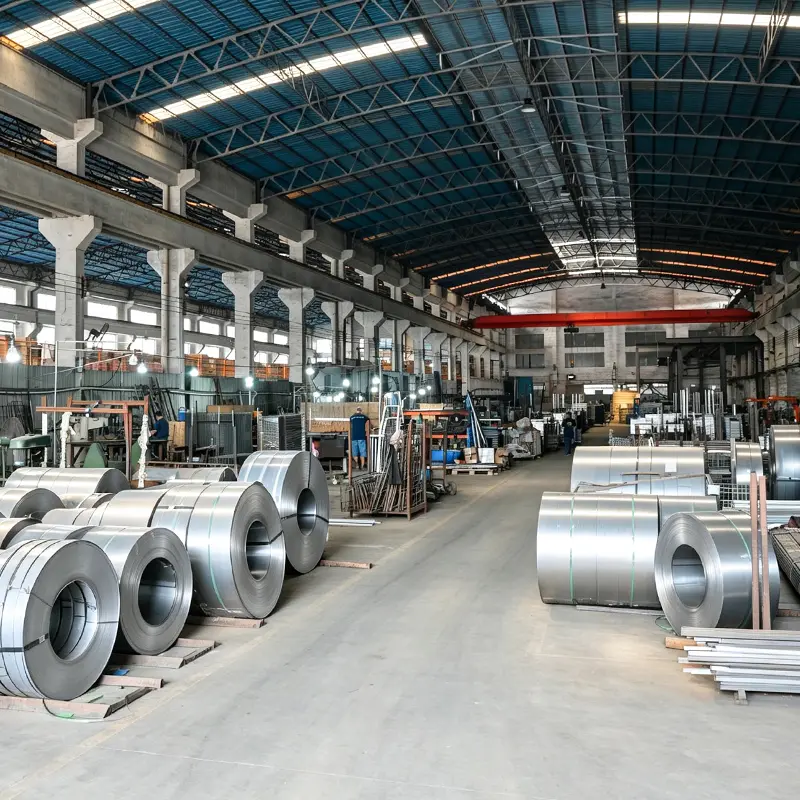
Structural Racking Engineering Expertise

Verified Structural Engineering

Our structural team produces FEA static and dynamic load simulations for every tall high-bay run, ensuring non-linear buckling resistance and compliance with EN 15512 and RMI standards.
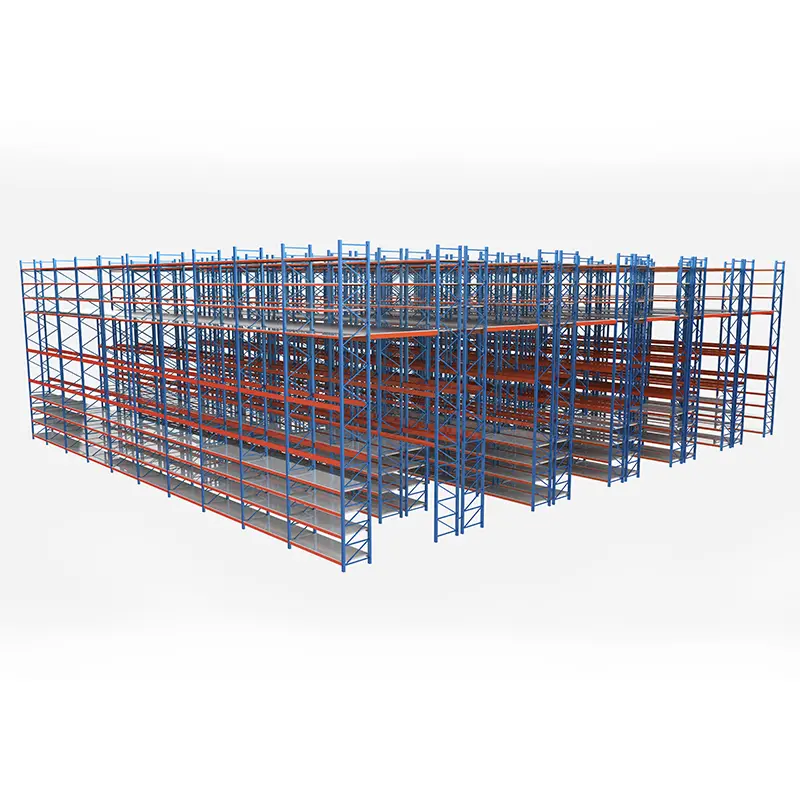
Free CAD and 3D Layout Simulation

Free 3D Layouts & DWG Modeling

We provide full warehouse floor space optimization layouts before manufacturing begins, coordinating exact aisle turning radiuses with your existing Reach, Counterbalance, or VNA turret fleets.
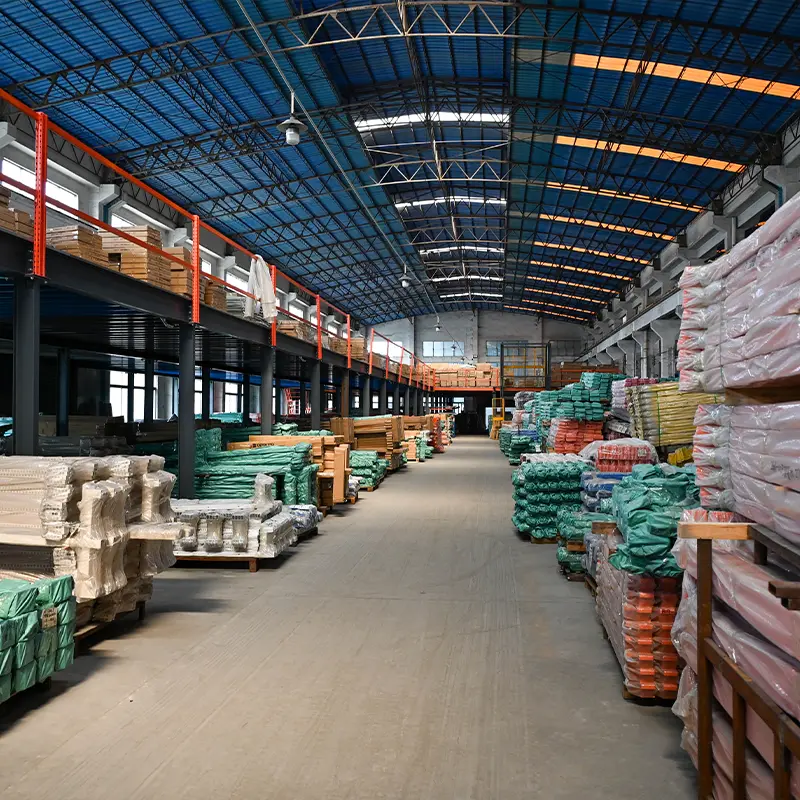
Certified Cold Rolled Steel Quality

Prime Q235B & Q355B Steel

Direct supply partnerships with Baosteel guarantee certified tensile limits, uniform yield strength, and zero structural impurities, treated with phosphating and automated powder coating lines.
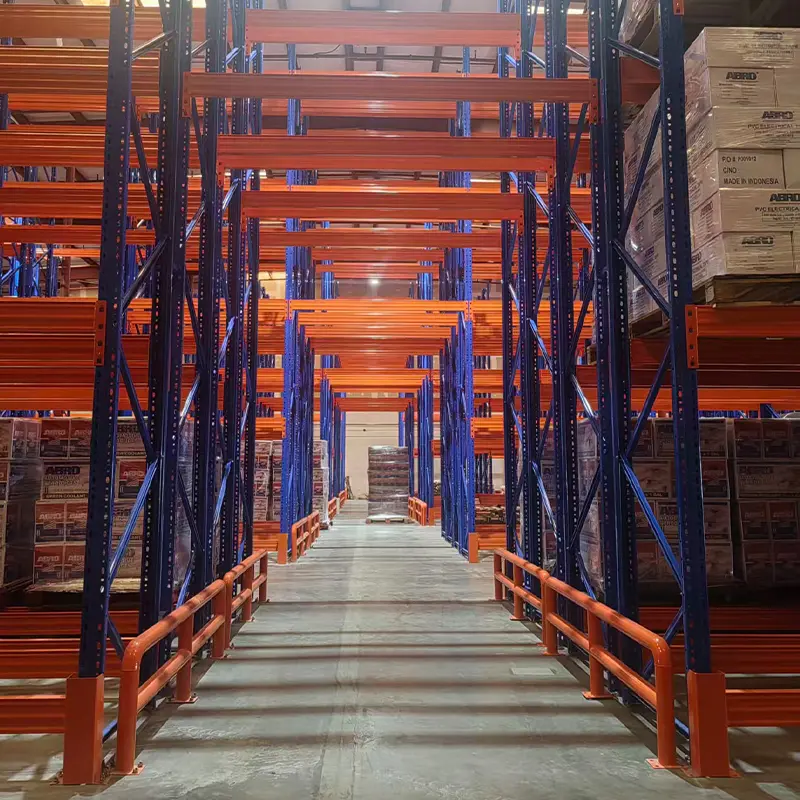
Custom Racking Profiles and Pallet Formats

Custom Beam & Upright Geometries

We tailor beam drop pin safety tolerances, upright steel wall thicknesses (1.5mm to 3.0mm), and RAL electrostatic coatings to meet custom operational, corrosive, or sub-zero refrigeration conditions.

Process Quality Governance

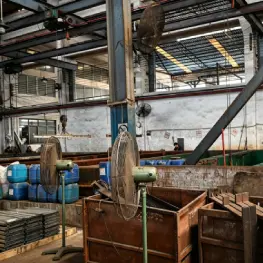
10-Stage Precision Heavy Steel Fabrication Process

Stringent internal tolerances ensure straightness within 1/1000 and total beam locking integrity across multi-bay configurations.
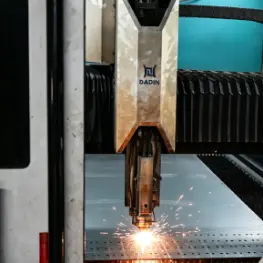
Raw Materials Inspection
Step 01

Spectrometric Steel Inspection

Precision Steel Cutting
Step 02

CNC Slitting & Precision Cutting

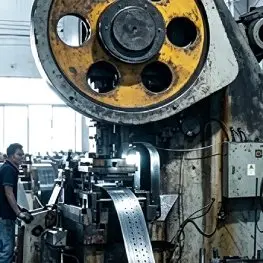
Automated Column Punching
Step 03

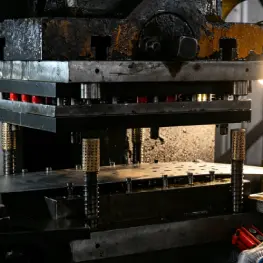
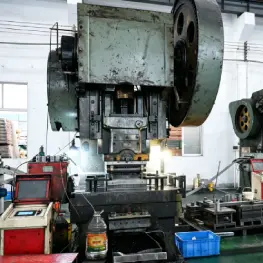
Continuous Automated Punching

Cold Bending Forming
Step 04

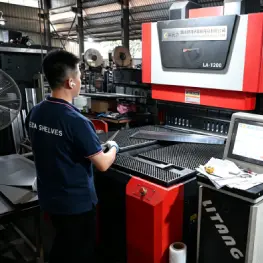
Multi-Station Cold Bending

Profile Roll Forming
Step 05

Precision Continuous Roll Forming

De-burring and Surface Polishing
Step 06

Automated De-burring & Polishing

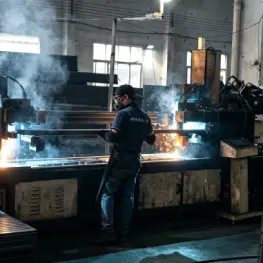
Robotic Joint Welding
Step 07

Dual-Shield Gas Arc Welding

Pickling and Phosphating Pretreatment
Step 08

Pickling & Anti-Rust Phosphating

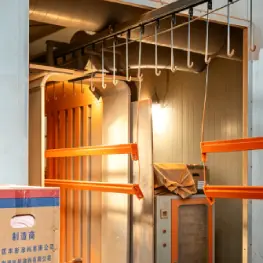
Electrostatic Powder Coating Line
Step 09

Electrostatic Thermoset Coating

Export Packing and Load Inspection
Step 10

Batch QA & Seaworthy Bundling

Market Intelligence & Horizon Scanning

Future Procurement Trends for Tall Warehouse Racking (2025–2030)

How rising urban land acquisition costs, automation infrastructure, and regional compliance standards are reshaping structural rack procurement decisions worldwide.

Vertical Integration & Clear Height Escalation

Global logistics hubs are moving from standard 8–10 meter eaves to 15–24 meter vertical configurations. This transition reduces physical real estate footprint while demanding upgraded upright profile moment of inertia ($I_x$, $I_y$) to counteract localized axial and torsional flexure under seismic loading.

Total Cost of Ownership (TCO) vs. Initial Steel Price

Procurement teams are shifting away from evaluating raw metric ton pricing alone. Lifecycle assessments now factor in zinc-aluminum-magnesium (ZAM) long-term corrosion resistance, modular bay reconfiguration adaptability without flame cutting, and structural component crash survivability in high-throughput corridors.

Pre-Engineered Automation Compatibility

Standard selective racking is increasingly specified with secondary mounting patterns for retrofittable conveyor ties, AGV/AMR magnetic reference channels, and radio shuttle rail systems, giving operators a clear evolutionary upgrade path without dismantling vertical warehouse assets.

Technical Deep Dive

Evolutionary Trends: Structural Engineering & High-Density Automation

A structural comparison of core high-bay racking typologies deployed by industrial facility designers across European, North American, and Asia-Pacific supply chain networks.

System Classification Maximum Practical Height Pallet Selectivity Structural Load Rating Target Material Handling Equipment Volumetric Efficiency
Selective High-Bay Racking Up to 16.5 Meters 100% Direct Access Up to 4,500 kg / Level Standard Reach / Counterbalance 45% - 55%
Very Narrow Aisle (VNA) Up to 18.0 Meters 100% Direct Access Up to 4,000 kg / Level Man-Up / Man-Down VNA Turret 65% - 75%
Semi-Automated Radio Shuttle Up to 24.0 Meters Lane Dependent (FIFO/LIFO) 1,500 kg / Pallet Position Lithium Radio Shuttle + Forklift 80% - 90%
Drive-In Deep Storage Up to 12.0 Meters Batch LIFO / FIFO 1,200 kg / Pallet Position Direct Drive-In Mast Trucks 65% - 75%
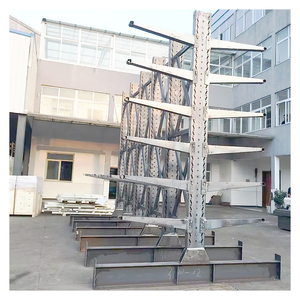
High-Load Cantilever Systems Up to 12.0 Meters 100% Direct for Long Bundles Up to 2,000 kg / Arm Side Loader / Specialized Forklift Flexible Run
Procurement Intelligence

Frequently Addressed Engineering & Logistics Questions

Crucial commercial and technical criteria required by international EPC contractors, factory owners, and distributor networks when procuring high-volume storage infrastructure from China.

Get Catalog
Which international design codes do your structural engineers design against?
Our engineering systems are designed according to the European standard EN 15512 (Steel static storage systems – Adjustable pallet racking systems – Principles for structural design), FEM 10.2.02, and the American RMI (Rack Manufacturers Institute) Specification ANSI MH16.1. When projects are deployed in seismically active regions, we run dynamic response spectrum analysis compliant with Eurocode 8 or IBC/ASCE 7 standards.
How is structural steel grade authenticity and metallurgical integrity verified?
Every production heat is tied to raw material Mill Test Certificates (MTC) directly sourced from major state-owned producers such as Baosteel or Shougang Group. We systematically check carbon equivalent ratings, elongation properties, yield limits (minimum 235 MPa for Q235B and 355 MPa for Q355B), and perform post-weld ultrasonic non-destructive examinations (NDE) on beam connector lugs.
What are standard ocean shipping tolerances, pack configurations, and nesting volumes?
Racking upright frames are pre-assembled or flat-packed (knocked-down) based on ocean container cube limitations. Beams are bundled with non-slip steel strapping, protective edge boards, and high-density foam padding to prevent powder finish friction rub. A standard 40ft High Cube container typically holds between 18 and 23 metric tons of pallet racking profiles, strictly coordinated to port terminal weight limitations.
Can beam lengths and upright configurations accommodate non-standard pallets?
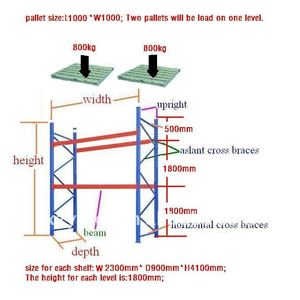
Yes. While the majority of our European and North American projects specify standard Euro pallets (1200×800mm), ISO standard pallets (1200×1000mm), or US GMA spec pallets (48×40 inch), all components are roll-formed to order. We customize clear beam lengths (e.g., 2300mm, 2700mm, 3300mm, or 3600mm) and frame depths to provide the safe 75mm–100mm operational pallet overhang required by regional fire and safety regulators.
What anti-corrosion surface treatments are applied for refrigerated or coastal environments?
For sub-zero cold chain facilities (down to -30°C) and high-humidity maritime storage, we use heavy-duty pre-hot-dip galvanized steel coils or a dual-layer epoxy-polyester architectural powder coating with film thicknesses between 70µm and 110µm. In outdoor or extreme coastal settings, continuous hot-dip galvanizing per ISO 1461 is applied to guarantee 25+ years of corrosion protection.

Request Engineered Pallet Racking CAD Layouts & Mill Schedules

Connect directly with our senior application engineering group for complimentary 3D facility modeling, seismic structural calculation reports, and factory direct container price schedules.