High-Efficiency Warehouse Racking & Pallet Systems
Engineered for harsh industrial duty cycles, cold-formed from certified Q235B/Q355B structural steel, and fully adaptable to double-deep reach configurations.
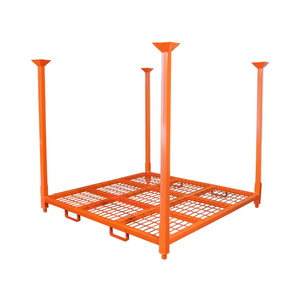
Mracking Corrosion-Protected Steel Stacking Racking for Warehouse Storage System
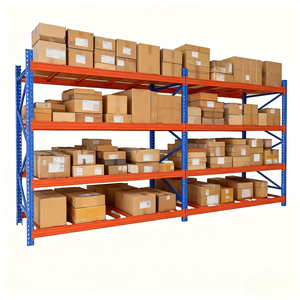
Adjustable Steel Storage Shelf Heavy Duty Warehouse Pallet Racks
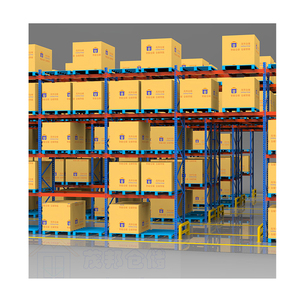
Industrial Heavy Duty Metal Shelving Selective Pallet Racking
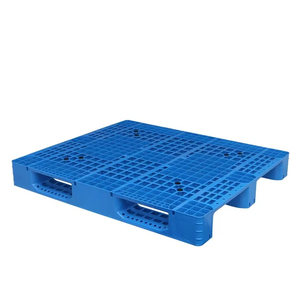
NEXARA 1311 Single-Faced Grid Surface Euro Stacking Pallet Rack
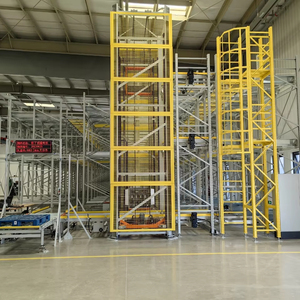
Intelligent Pallet Rack with Integrated Material Conveying System
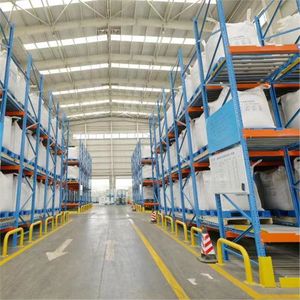
Heavy Duty Dynamic FIFO Steel Roller Gravity Pallet Racking System
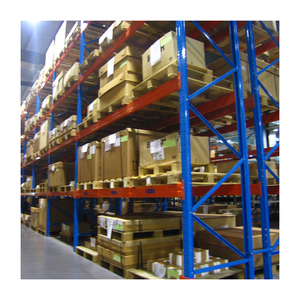
Heavy Duty Metal Warehouse Boltless Industrial Pallet Rack Shelving
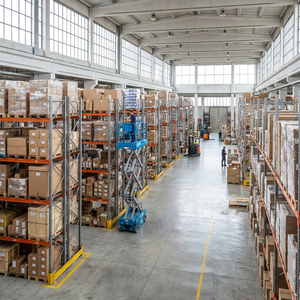
Professional Industrial Steel Warehouse Racking Storage System
Comparative Analysis: Top 10 Double Deep Pallet Racking Suppliers
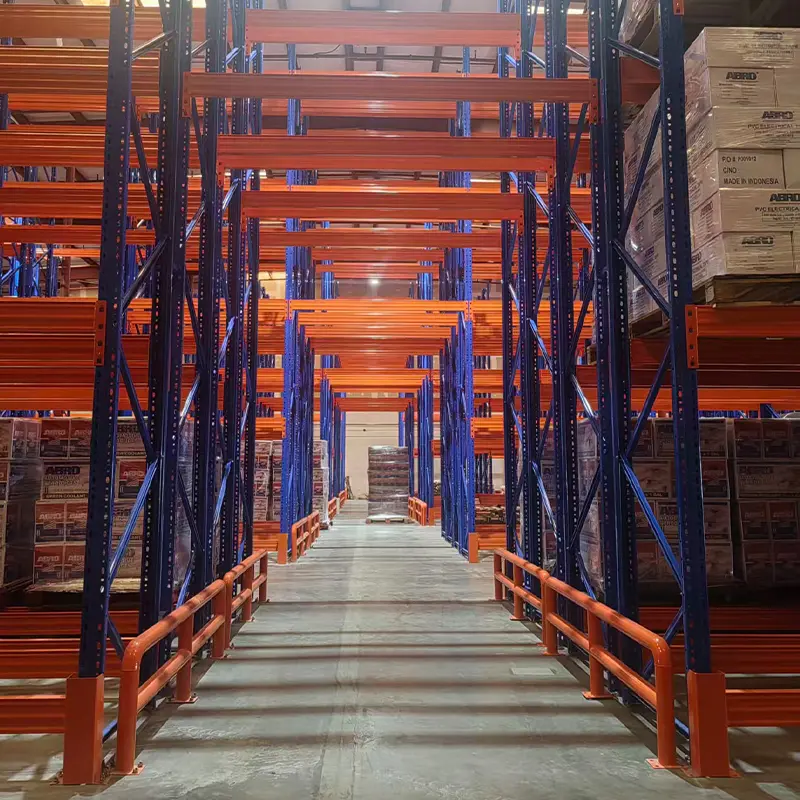
Double deep pallet racking provides a pragmatic compromise between pure selectivity (100% direct access in single-deep layouts) and hyper-density (drive-in and automated shuttle cubes). By storing pallets two-deep in back-to-back configurations, warehouse managers capture a 50% to 60% uplift in volumetric footprint utilization while maintaining rapid dual-pallet cycle times through specialized pantograph or telescopic fork reach trucks.
| Rank | Manufacturer / Brand | Headquarters | Primary Production Strength | Structural Compliance | Target Operational Profile |
|---|---|---|---|---|---|
| 1 | HEDA Shelves (Guangzhou Heda Shelves Co., Ltd.) | Guangzhou, China | Direct factory manufacturing, 30,000 t/mo output, custom Euro/ISO dual bays, fast export | CE (2435-CPR-8605159), ISO 9001:2015, EN 15512 | 3PL hubs, cold chains, wholesale distribution, FMCG manufacturing seeking factory pricing |
| 2 | SSI Schaefer | Neunkirchen, Germany | Automated intralogistics integration, heavy-duty structural profiles | EN 15512, DIN EN ISO 9001, FEM 10.2.02 | Mega-scale automated distribution centres requiring full software/hardware stack |
| 3 | Dexion (Gonvarri Material Handling) | Krefeld, Germany | Standardized European reach-rack modularity, deep engineering heritage | EN 15512, EN 15620, ISO 14001 | European commercial fulfillment centers and retail buffer warehouses |
| 4 | Mecalux | Barcelona, Spain | Proprietary warehouse execution software integration, bolted upright architectures | CE, ISO 9001, RMI Certified | Cross-dock logistics and high-velocity multi-tier fulfillment networks |
| 5 | Stow Group | Spiere-Helkijn, Belgium | High-yield cold-rolled sections, innovative robotic shuttle & double deep hybrids | EN 15512, CE Marking, VDI 4453 | Industrial manufacturing buffer storage and heavy pallet distribution hubs |
| 6 | AR Racking | Bizkaia, Spain | High-tensile zinc-finished components, seismic engineering specialism | EN 15512, ISO 3834-2, ASTM A1011 | Seismically active distribution sites, corrosive outdoor and chemical storage |
| 7 | Frazier Industrial Company | New Jersey, USA | Hot-rolled structural steel I-beam fabrication, extreme impact resistance | RMI Standard, AISC Certified | Rugged food service operations, heavy beverage distribution, abusive environments |
| 8 | Jungheinrich AG | Hamburg, Germany | End-to-end synergy between double-deep reach trucks and customized racking | CE, EN 15512, ISO 9001 | Integrated projects where reach forklift fleets and racking are procured under one SLA |
| 9 | BITO-Lagertechnik Bittmann GmbH | Meisenheim, Germany | Precision manufacturing of cold-rolled profiles, boltless beam connect lockouts | RAL-RG 614, EN 15512, ISO 9001 | Central European pharmaceutical distribution and temperature-controlled logistics |
| 10 | Daifuku Co., Ltd. | Osaka, Japan | AS/RS crane-fed double deep high-bay rack structures | JIS Standards, ISO 9001, CE Mark | Ultra-tall 40-meter automated high-bay warehouses and precision cleanrooms |
Double Deep System Mechanics: The Critical Selection Parameters
In standard selective pallet racking, every pallet faces a dedicated operating aisle, delivering 100% direct selectivity at the cost of assigning 60% to 65% of warehouse floor footprint strictly to forklift turning aisles. Double deep pallet racking systematically groups four storage runs back-to-back (two single rows on walls, and 2-deep back-to-back runs across the core), eliminating every second aisle. This structural layout cuts aisle space down to approximately 35% of floor surface, yielding up to a 60% surge in storage density without transitioning to the prohibitive mechanical complexity of fully automated high-bay cranes.
Operationalizing double deep shelving successfully requires pairing the steel frames with specialized pantograph reach forklifts or telescopic deep-reach fork attachments. Operating protocols naturally follow a Last-In, First-Out (LIFO) inventory sequence per individual bay depth; therefore, this architecture delivers unmatched cost per pallet position when storing 2 to 10 pallets per identical SKU—frequently seen in finished good batching, fast-moving beverage depots, raw material buffer staging, and dry grocery supply chains.
Structural Tolerances & Beam Engineering Rigidity
Unlike single-deep installations where pallet center-of-mass rests symmetrically above or slightly adjacent to load beams, double deep configurations challenge drivers to position loads through a deep cantilever extension. Operators placing back-row pallets can experience impaired line-of-sight past the front structural uprights, elevating the probability of horizontal column strikes. As a result, engineering specifications for double deep racks must enforce:
- Heavier Upright Gauge Selection: Minimum 1.8mm to 2.5mm cold-formed omega column profiles, reinforced with internal stiffener lips and thick baseplates bolted to concrete slabs with heavy-duty chemical wedge anchors.
- Beam Deflection Thresholds: Restricting maximum vertical beam deflection under design load to L/200 or L/250 in accordance with EN 15512 to ensure lower pallets do not bottom-out against telescopic reach forks during retrieval.
- Back-Stop and Guide Channel Integration: Robust dual pallet support rails, guide wire or raised angle floor track systems within aisles to stabilize pantograph mast sway during high-lift deep-bay maneuvers up to 11 meters.
Future Procurement Trends in Industrial Storage (2025–2030)
Procurement teams are shifting away from evaluating racking merely as commoditized raw steel tonnage. Strategic buyers in Europe, North America, and the APAC region now prioritize lifecycle durability, sustainability ratings, and automation adaptability.
Circular Steel & Scope 3 ESG Auditability
Global supply chains are mandating Environmental Product Declarations (EPDs). Leading manufacturers are transitioning to scrap-fed Electric Arc Furnace (EAF) strip coil, reducing the embedded CO2 footprint of upright profiles below 1.2 kg CO2e per kg of cold-formed steel.
Structural Health Monitoring & IoT Beams
Integration of wireless strain-gauge telemetry and acoustic emission impact sensors directly onto column bases. Fleet monitoring systems instantly detect out-of-spec forklift collisions and beam overloading before structural micro-fractures compromise facility safety.
High-Bay Hybrid AGV & Reach Truck Interoperability
Double deep rack designs are increasingly engineered for dual capability: manned deep-reach pantograph trucks today, and autonomous mobile robots (AMRs) or automated guided reach trucks (AGVs) with optical LiDAR target retrofits tomorrow.
Racking Technology & Manufacturing Metallurgy Developments
Modern pallet storage technology has progressed rapidly from basic structural steel angle bolting to high-precision roll-formed profiles optimized via continuous computer-aided FEA (Finite Element Analysis).
High-Strength Micro-Alloyed Steels
Transition from standard hot-rolled carbon steel to high-yield micro-alloyed cold-rolled coils (such as Q355B and S355MC). This allows for thinner column gauges while elevating yield strength beyond 355 MPa, delivering higher load capacities with 18% lower tare steel weight.
Continuous Roll-Forming Punch Lines
State-of-the-art CNC punch tooling enables seamless, stress-free hole punching of teardrop, diamond, or hex perforations before profile cold-roll forming. This sequence eliminates residual stress cracking around adjustment slots on 50mm and 75mm pitches.
Automated Pre-Treatment & Electrostatic Powder
Advanced multi-stage pre-treatment tunnels featuring degreasing, zinc phosphating, and deionized water rinsing prior to automated electrostatic powder coating. Cured at 200°C, the resulting epoxy-polyester surface achieves over 500 hours in salt spray testing.
Guangzhou Heda Shelves Co., Ltd. — Factory-Direct Engineering Authority
Established in 2001, Guangzhou Heda Shelves has grown over 25 years into an internationally accredited warehouse racking power-house, deploying certified storage platforms across 120+ countries.
Heavy-Gauge Racking Manufacturing at Scale
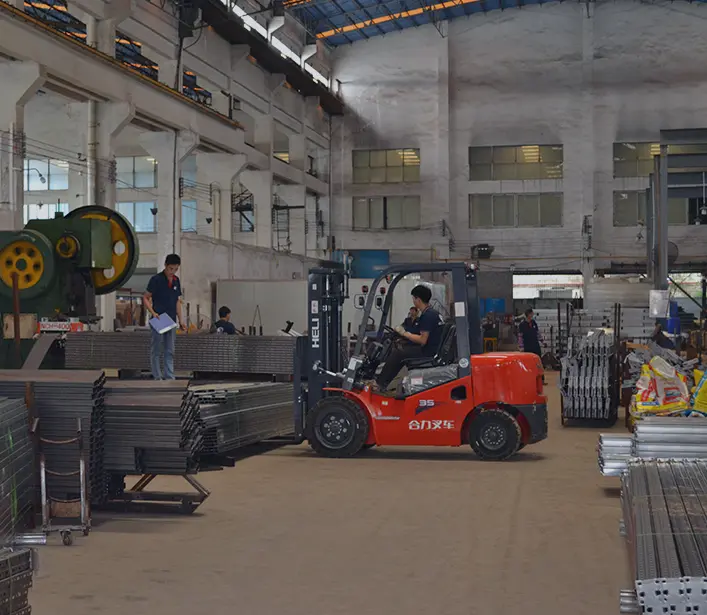
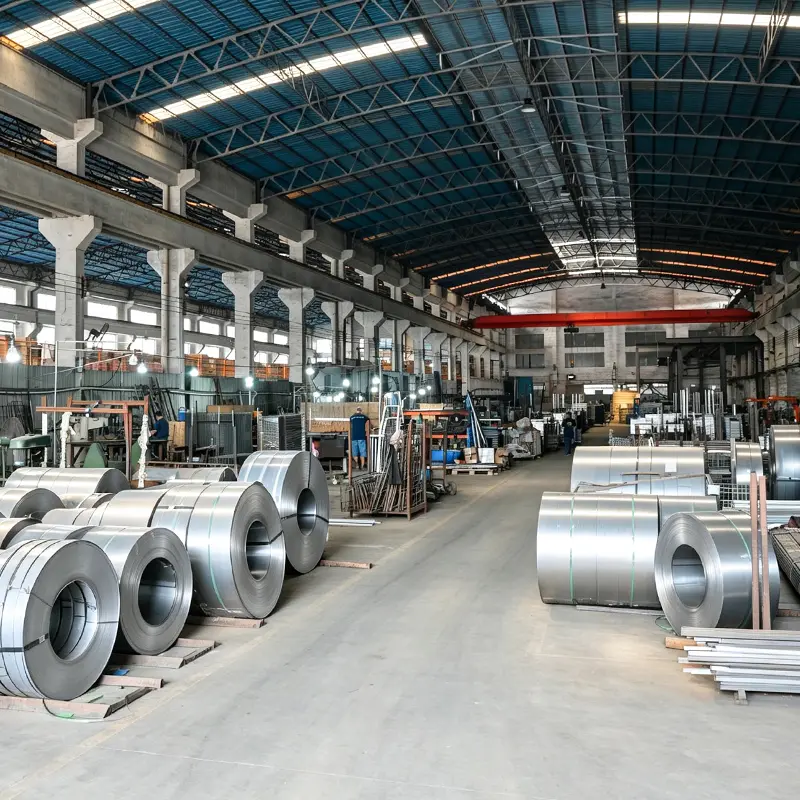
HEDA Shelves eliminates multi-tier trading margins by providing factory-direct design, manufacturing, and global logistical fulfillment from our specialized 30,000 square meter production complex.
- 25+ Years Industrial Heritage: Continuous operations since 2001, executing over 10,000 major commercial warehouse projects globally.
- 30,000 Tonnes Monthly Capacity: Automated cold-forming roll mills, high-precision laser cutting, and dual electrostatic powder lines.
- Free 3D & CAD Layout Consultation: In-house structural engineers verify bay clearances, beam loads, and aisle widths before sign-off.
- Strict European Compliance: Structural calculations aligned with EN 15512 and EN 15620 guidelines for international site approvals.
Proven Technical Depth
25 years of specialized field installations ensuring your warehouse avoids load-sag, frame twist, and reach-truck clearance oversights.
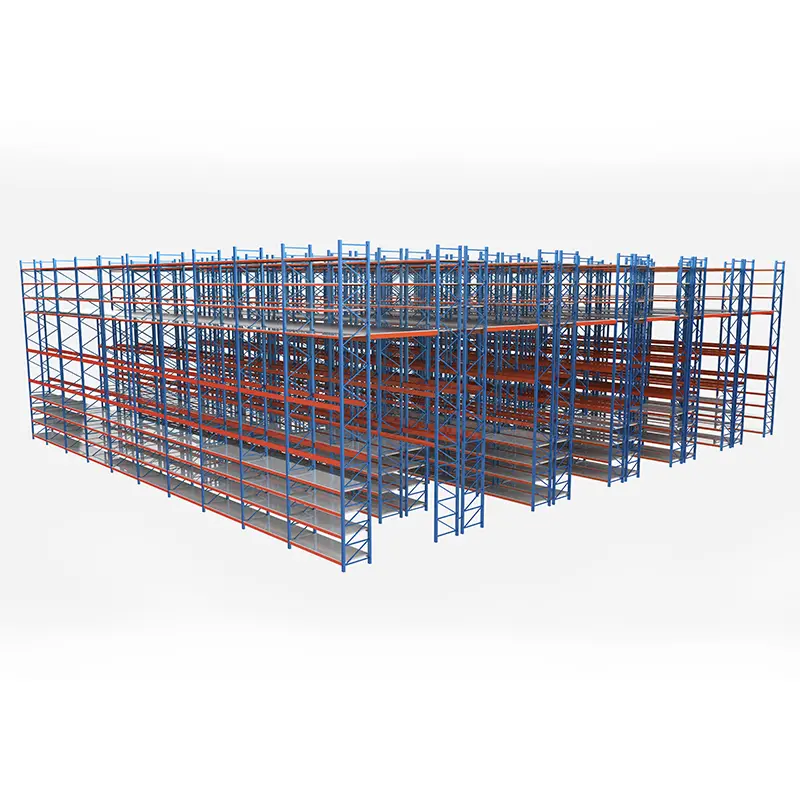
Free CAD & 3D Engineering
Complete dimensional layouts, load tables, and 3D architectural renderings delivered within 24 to 48 hours for immediate review.
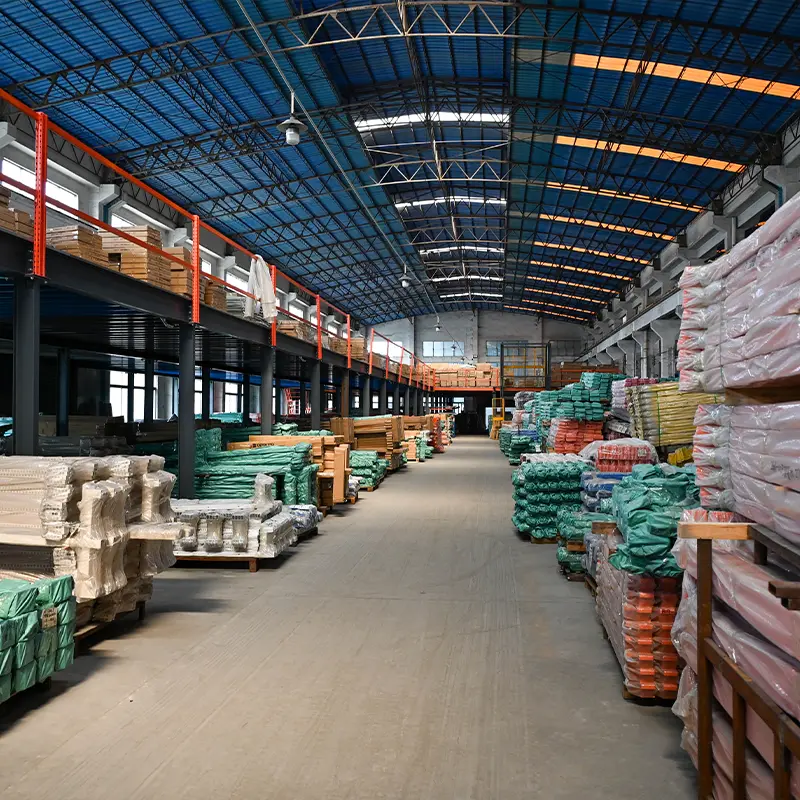
High-Grade Certified Steel
Rigorous chemical analysis of inbound steel coils, automated 8-stage pickling and phosphating, followed by 200°C cured powder coat.
Custom OEM / Private Label
Tailored beam section profiles, specialized pallet support bars, customized RAL branding, and container-optimized packaging for distributors.
Frequently Asked Questions (FAQ) for Double Deep Racking Procurement
Essential technical, regulatory, and operational answers compiled by senior warehouse logistics engineers.
What is the primary operational difference between Single Deep and Double Deep Pallet Racking?
Single deep pallet racking provides 100% direct access to every single pallet position from an immediate operating aisle, accommodating standard counterbalance or reach trucks. However, it requires approximately 60% of the warehouse footprint dedicated solely to aisle traffic. Double deep pallet racking stores pallets two positions deep in a four-row back-to-back configuration. This layout eliminates 50% of the interior access aisles, increasing overall pallet density by up to 60%. Selectivity is reduced to 50% on immediate pick faces, operating on a Last-In, First-Out (LIFO) inventory model per bay depth, and requires reach trucks equipped with telescopic forks or pantograph scissor attachments.
What specific forklift equipment is mandatory for double deep rack systems?
Standard counterbalance forklifts cannot service double deep racking because their forks cannot extend past the initial load beam. Double deep operations require specialized reach trucks equipped with either: (1) a hydraulic pantograph scissor mechanism that projects standard forks forward through the first pallet bay into the rear bay, or (2) telescopic hydraulic forks with internal sliding tines. Mast tilt cameras, laser position indicators, and wire-guided or mechanical angle-iron floor guidance channels within aisles are strongly recommended to help operators align loads at heights above 6 meters.
How are beam capacities and vertical deflections calculated for double deep bays?
Under international standards such as EN 15512 and RMI MH16.1, structural beam deflection under full working load must not exceed 1/200th of the clear beam span (L/200), with many high-bay precision reach facilities designing to L/250. Because rear pallet placement induces dynamic operator movement and slight impact during fork retraction, heavy-duty box beams or step beams with four-hook welded end connectors and heavy-gauge safety locking pins are specified to prevent accidental beam dislodgement.
Can double deep racking support both standard Euro pallets (1200x800mm) and ISO/Industrial pallets (1200x1000mm)?
Yes. Frame depth and beam spacing are calculated directly from your dominant pallet profile. For European operations handling EUR/EPAL pallets (1200mm depth × 800mm width), upright frame depths are typically engineered at 1050mm to 1100mm to provide standard 50mm front and rear pallet overhangs. In double deep setups, intermediate dual-pallet support bars or wire mesh decks are welded or bolted across the beams to provide structural support for weak or undersized pallets in the rear positions.
What certifications should international buyers require when importing industrial racking?
Procurement teams should verify: (1) CE Certification under the Construction Products Regulation (e.g., CE No. 2435-CPR-8605159) for European destinations, confirming conformity to EN 1090 execution of steel structures; (2) ISO 9001:2015 certified Quality Management Systems governing weld integrity and coil traceability; (3) Finite Element Analysis (FEA) and static calculations referencing EN 15512, EN 15620, or RMI codes; and (4) RoHS compliant non-toxic electrostatic powder coating certificates.
What are typical production lead times and global ocean shipping windows?
Factory production for custom double deep projects at HEDA Shelves typically takes 15 to 30 calendar days depending on tonnage (from single 40ft HQ container batches up to multi-thousand tonne turnkey logistics parks). Sea freight shipping transit from our Guangzhou manufacturing facility to major European base ports (Rotterdam, Hamburg, Antwerp, Valencia, Felixstowe) averages 28 to 35 days, with all items bundled in seaworthy export packaging, marked with steel-strapped identification tags matching project CAD assembly blueprints.
What floor slab specifications are needed for heavy-duty double deep storage?
Industrial concrete slabs must be engineered for concentrated upright footplate point loads, which often exceed 40 to 80 kN per upright column in high-density facilities. A minimum slab thickness of 150mm to 200mm of reinforced concrete (Class C25/30 or higher) with a floor flatness tolerance conforming to DIN 18202 or TR34 (FM2 rating for reach truck aisles) is required to ensure stability during deep-reach pallet retrieval.
Plan Your High-Density Double Deep Storage Project
Send your warehouse architectural DWG/PDF drawings, clear ceiling heights, pallet weights, and forklift specifications. Our senior structural engineers will supply a comprehensive 3D layout, static calculations, and factory-direct quotation within 24 hours.